Essential Guide to Childcare First Aid Course for Caregivers
Ensuring the safety and well-being of children is a top priority for anyone working in early childhood education. Accidents can happen at any time, and being prepared to respond effectively can make a significant difference. A Childcare First Aid Course equips caregivers with the essential skills to manage emergencies confidently, ensuring children receive prompt and appropriate care when needed.In this guide, we’ll explore the importance of first aid training for childcare professionals, what a comprehensive course entails, and how it can enhance both safety and career opportunities.
Why First Aid Training is Crucial in Childcare
Childcare environments, whether in daycare centres, preschools, or family-based care, present a unique set of risks. Children are naturally curious and may encounter situations such as minor cuts, burns, allergic reactions, or choking.
By completing a Childcare First Aid Course, caregivers are trained to:
Recognise early signs of illness or injury
Administer first aid for common emergencies like cuts, burns, and choking
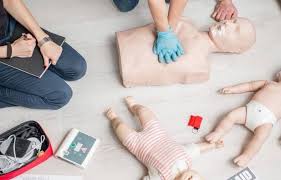
Perform CPR effectively on infants and young children
Respond appropriately to allergic reactions, asthma attacks, or other medical emergencies
This training not only ensures children’s safety but also gives caregivers the confidence to act decisively during critical moments.
Key Components of a Childcare First Aid Course
A well-structured Childcare First Aid Course typically covers several essential areas:
1. CPR and Resuscitation Techniques
Learning cardiopulmonary resuscitation (CPR) is a cornerstone of first aid training. Courses focus on child and infant CPR, teaching the correct techniques, compression rates, and rescue breaths. Practicing these skills in a controlled environment ensures readiness during a real emergency.
2. Managing Choking and Airway Obstruction
Choking is one of the most common emergencies in young children. Participants learn how to quickly recognise airway blockages and administer appropriate interventions, including the Heimlich manoeuvre for children and infants.
3. Treating Injuries and Wounds
Cuts, scrapes, and minor burns are frequent in childcare settings. The course trains caregivers on proper cleaning, dressing, and monitoring of injuries, reducing the risk of infection and complications.
4. Handling Allergic Reactions and Medical Emergencies
Children may experience severe allergic reactions or medical events such as seizures or asthma attacks. Training includes recognising symptoms, administering medications when necessary, and knowing when to call emergency services.
5. Health and Safety Awareness
Courses often integrate safety protocols to prevent accidents before they occur. This includes risk assessments, safe play strategies, and emergency preparedness plans, promoting a safer childcare environment.
Benefits of Completing a Childcare First Aid Course
Investing time in a Childcare First Aid Course offers both professional and practical benefits:
Enhanced Child Safety: Immediate and competent response to emergencies significantly reduces risk.
Increased Confidence: Caregivers feel empowered to act decisively in high-pressure situations.
Compliance with Regulations: Many childcare centres and licensing bodies require staff to hold up-to-date first aid certification.
Career Advancement: Completing accredited courses from trusted providers, such as Growth Training Group, can enhance your resume and open opportunities in childcare leadership roles.
Choosing the Right Training Provider
When selecting a first aid course, ensure the provider is accredited and offers up-to-date, evidence-based training. Accredited providers often include hands-on practice, scenario-based learning, and refresher modules, all crucial for skill retention.
Additionally, consider providers that specialise in childcare-specific first aid, as these programs tailor content to the unique needs of young children rather than a generic first aid curriculum.
Tips for Maximising Your First Aid Skills
Regular Refreshers: First aid techniques can change, so ongoing refresher courses are recommended.
Practice Hands-On Skills: Repeated practical sessions help build muscle memory for CPR and emergency responses.
Stay Informed: Familiarise yourself with local emergency services, allergy protocols, and centre-specific safety plans.
Document Knowledge: Keep a record of your training, certificates, and emergency response plans for professional compliance.
Conclusion
A Childcare First Aid Course is an essential investment for anyone involved in caring for young children. Beyond compliance, it fosters a safer environment, empowers caregivers to act confidently in emergencies, and contributes to professional development. Whether you are a preschool educator, daycare worker, or family-based carer, the skills acquired from a reputable training provider like Growth Training Group can be life-saving. Prioritising first aid knowledge ensures children receive the best possible care and provides peace of mind for both caregivers and parents.