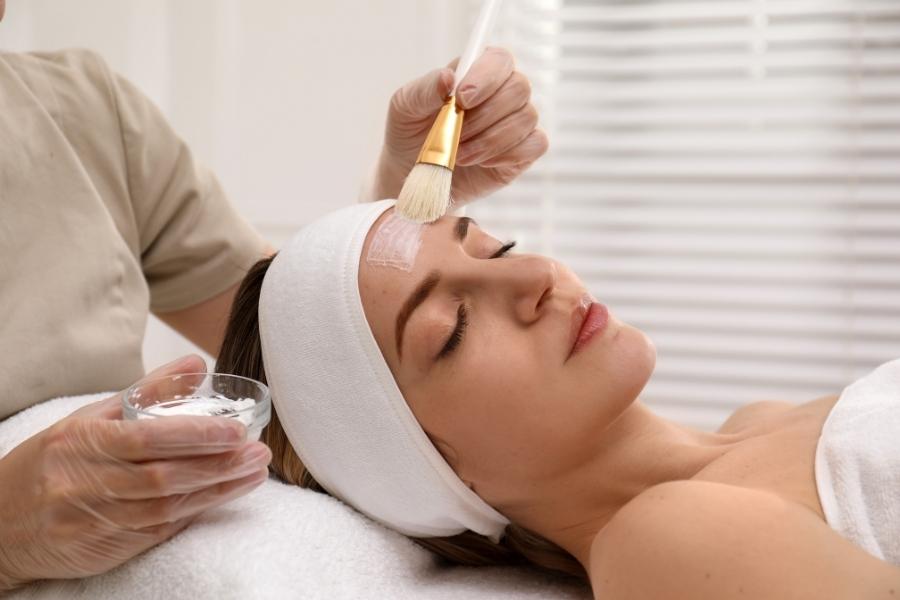
Chemical Peel in Islamabad: Is It Suitable for Active Acne?
Active acne can be difficult to manage, particularly when new pimples keep appearing despite using different cleansers, creams, and home remedies. The frustration often increases when breakouts leave behind redness, dark spots, or uneven skin texture. If you are considering a professional chemical peel, one important question is whether it is safe and effective while acne is still active.Chemical Peel In Islamabad may be an option for selected people with active acne, especially when clogged pores, blackheads, and mild inflammatory breakouts are present. However, it is not suitable for every acne condition. The severity of inflammation, skin sensitivity, and type of acne all influence whether a peel should be considered.
What Is Active Acne?
Active acne refers to pimples and other breakouts that are currently developing on the skin. It can include blackheads, whiteheads, small red bumps, pus-filled spots, and deeper painful lesions.
Acne commonly develops when excess oil and dead skin cells block hair follicles. Bacteria and inflammation can then contribute to the formation of pimples.
Active acne is not one single condition. Mild clogged pores require a different approach from severe cystic acne, which may need prescription treatment. Understanding the type of breakout is essential before choosing a cosmetic procedure.
Can a Chemical Peel Be Used on Active Acne?
A chemical peel uses a controlled chemical solution to exfoliate the skin. Depending on the ingredients and strength, it can help remove dead skin cells, reduce pore congestion, and improve certain forms of acne.
For selected patients, superficial peels containing salicylic acid may help oily, acne-prone skin. Salicylic acid is oil-soluble, allowing it to work inside pores and loosen the buildup associated with blackheads and whiteheads.
Some other formulations, including glycolic or mandelic acid peels, may be considered depending on the patient's skin condition. The purpose is controlled exfoliation, not aggressive removal of every active pimple.
A peel may improve mild acne, but it does not treat every underlying cause. If breakouts are driven by hormones, medication effects, or severe inflammation, additional medical treatment may be necessary.
When Is a Chemical Peel Suitable for Active Acne?
A superficial peel may be considered when acne is mild or moderate and the skin barrier is reasonably healthy. People with oily skin, clogged pores, blackheads, and whiteheads may be among those who benefit.
It may also be useful when active breakouts occur alongside uneven texture or post-acne marks. A dermatologist can assess whether treating congestion and surface buildup is likely to help.
The condition of your skin matters more than the number of pimples. Someone with several small comedones may be a better candidate than someone with fewer but deeply inflamed and painful cysts.
When Should You Avoid a Chemical Peel?
Chemical peels are not always appropriate during an active acne flare. If the skin is severely inflamed, infected, broken, or extremely irritated, exfoliating chemicals may make the condition worse.
Deep nodules and cysts can also require medical management rather than a cosmetic peel. Picking, squeezing, or scratching acne lesions before treatment can further increase irritation and the risk of scarring.
People with a damaged skin barrier, active skin infections, or a history of strong reactions to peel ingredients need careful assessment. Never assume that a stronger peel will clear severe acne faster. Excessive exfoliation can cause burns, prolonged redness, and post-inflammatory hyperpigmentation.
Which Chemical Peel Ingredients May Help Acne?
Different acids have different properties, and the dermatologist selects an option based on the type of acne and skin sensitivity.
Salicylic acid is commonly used for oily and acne-prone skin because it can penetrate oil-filled pores. It may help reduce the buildup that contributes to blackheads and whiteheads.
Glycolic acid works mainly on the skin's surface, helping loosen dead cells and improve texture. Mandelic acid is another option that may be considered for selected patients who need a gentler exfoliating approach.
There is no universally best peel for active acne. The concentration, application time, and frequency all influence how the skin responds. Professional assessment is more important than choosing an ingredient based on online recommendations.
What Should You Discuss Before Treatment?
Before booking Chemical Peel In Islamabad, arrange a consultation with a qualified dermatologist or appropriately trained medical professional. Be honest about your acne history, current skincare routine, and any medicines you use.
The following points can help make your consultation more useful:
Acne severity: Explain whether you mainly have blackheads, whiteheads, inflamed pimples, or deep painful lesions.
Current medication: Mention prescription creams, oral acne medicines, retinoids, and any recent changes to treatment.
Skin sensitivity: Discuss allergies, irritation, dryness, and any previous reactions to exfoliating products.
Previous procedures: Tell the clinician about recent facials, peels, laser treatments, or other skin procedures.
Expected results: Ask whether the peel is intended to improve active breakouts, clogged pores, acne marks, or more than one concern.
Certain medications and skincare products may affect treatment suitability. Do not stop prescribed medication on your own; ask the prescribing clinician whether any adjustments are needed.
What Happens During a Chemical Peel?
A professional session usually begins with a skin assessment and cleansing. The selected solution is then applied for a controlled period, according to the formulation and treatment plan.
You may feel mild tingling, warmth, or temporary stinging. The solution is removed or neutralised as directed, and the clinician provides instructions for post-treatment care.
Some superficial peels cause little visible peeling, while others may lead to dryness or flaking over the following days. The treatment should be adjusted to your skin's tolerance, rather than aiming for the strongest possible reaction.
Aftercare for Acne-Prone Skin
After a peel, your skin may temporarily become dry, sensitive, or slightly red. A gentle routine helps protect the skin barrier while it recovers.
Use a mild cleanser and a moisturiser recommended by your clinician. Avoid scrubbing, picking peeling skin, or applying multiple active ingredients until your skin has recovered.
Sun protection is especially important in Pakistan. Apply broad-spectrum sunscreen with SPF 30 or higher and reapply as directed when spending time outdoors.
Avoid restarting exfoliating acids or retinoids too early. Follow your clinician's instructions about when to resume acne products. If you develop severe pain, blistering, significant swelling, or worsening redness, seek medical advice promptly.
Will One Chemical Peel Clear Active Acne?
A single session is unlikely to resolve persistent acne completely. Some people may notice smoother skin or reduced congestion, but ongoing breakouts often require a longer treatment plan.
Depending on the cause and severity, a dermatologist may recommend topical medication, prescription treatments, or other procedures alongside selected peels. Sessions, if appropriate, should be spaced to allow the skin to recover.
Long-term acne control requires treating the underlying problem. A chemical peel can be one part of a plan, but it should not replace necessary medical care.
Frequently Asked Questions
Can I get a chemical peel with pimples on my face?
Possibly. Superficial peels may be suitable for selected mild acne cases, but severe inflammation, infection, or broken skin may make treatment inappropriate.
Does a chemical peel make acne worse?
Temporary irritation can occur, and unsuitable or overly aggressive treatment may worsen inflammation. Proper assessment and treatment selection help reduce this risk.
Is salicylic acid peel good for active acne?
It may help with oily skin, clogged pores, blackheads, and some mild breakouts. A professional should determine whether it is suitable for your skin.
Can I use acne cream after a chemical peel?
Not immediately in every case. Some acne products can irritate freshly treated skin, so follow your dermatologist's instructions before restarting them.
Make an Informed Choice for Your Skin
A chemical peel may help selected cases of active acne, but the right decision depends on the type and severity of your breakouts. Dynamic Aesthetic Clinic offers professional skin consultations and advanced aesthetic techniques to help patients explore suitable options. With experienced clinicians, board-certified surgeons, and a focus on personalised treatment planning, the clinic can help you understand whether a chemical peel is appropriate for your acne concerns.
Meta Description: Is Chemical Peel In Islamabad suitable for active acne? Learn about benefits, risks, peel types, and essential aftercare. 2026-10-31 16:29 Mattress Cleaning and Chair Cleaning Services in Malad – Home Doot Mattress Cleaning and Chair Cleaning Services in Malad – Home Doot Gaddafi Stadium Hosts Pakistan vs Sri Lanka Final: Updates on Shiva Online ID # Why Do UAE Businesses Need Corporate Tax Advisory After Registration? FIBC Bulk Bags: Rethinking How Large Loads Are Stored FIBC Bulk Bags: Rethinking How Large Loads Are Stored Alaska Airlines Luggage Rules : Organize Your Luggage for Easy Travel Egyptair Jeddah Office in Saudi Arabia Air France Abuja Office EliteBet365-Like Source Code to Help You Break Into the Online Casino Space Does Smoking Affect Hollywood Smile Results? Geedup Hoodie Bottega Desires