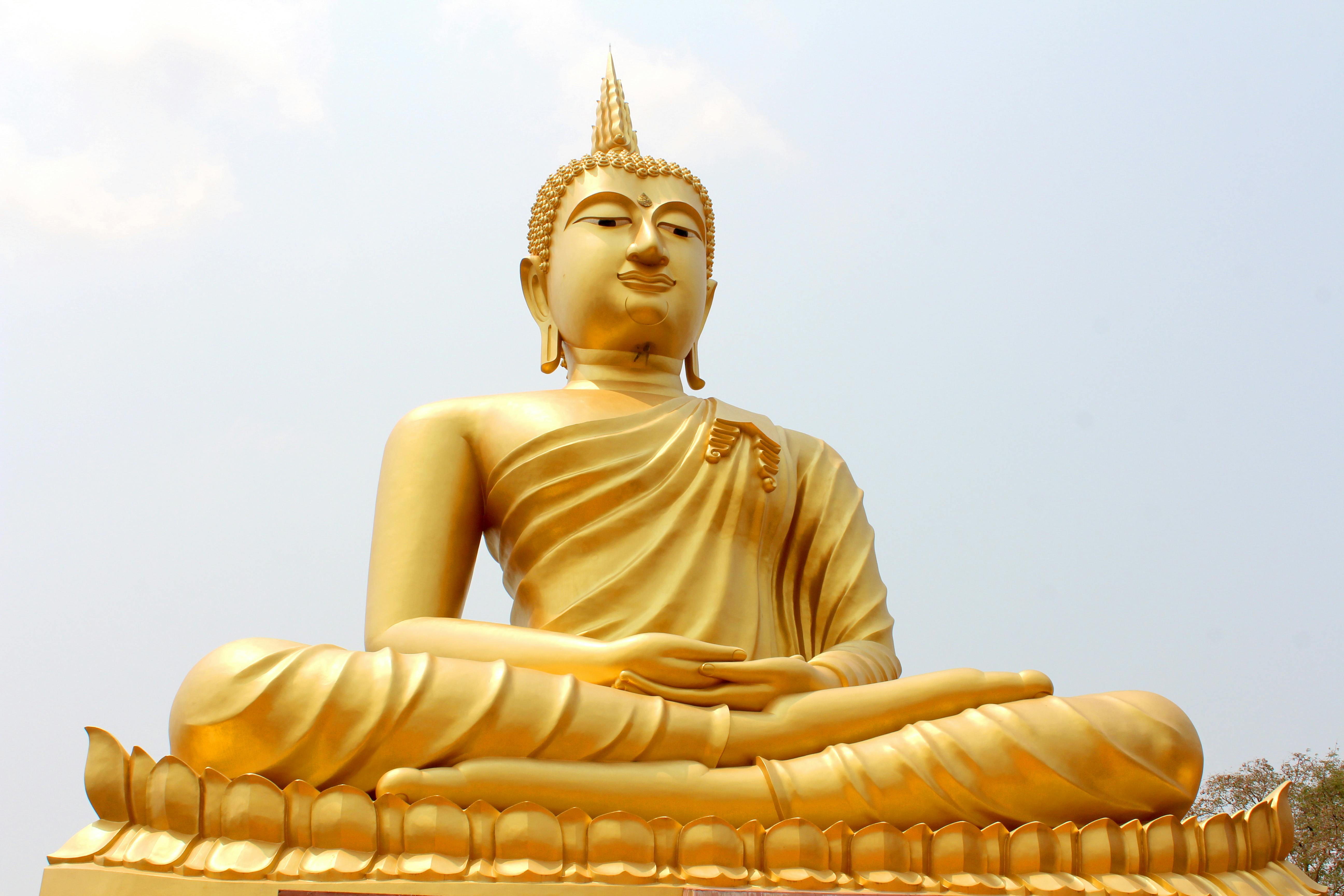
Buddhist Tourist Destinations in India: Exploring the Path of Enlightenment
India is not only the birthplace of Buddhism but also home to some of the most revered spiritual and cultural landmarks in the world. Buddhist Tourist Destinations in India attract millions of pilgrims, historians, and travelers each year, offering a unique blend of heritage, spirituality, and natural beauty. From sacred monasteries to ancient stupas, these destinations narrate the timeless journey of Lord Buddha and the spread of his teachings across Asia.Bodh Gaya: The Seat of Enlightenment
Located in Bihar, Bodh Gaya is where Siddhartha Gautama attained enlightenment under the Bodhi Tree.
The Mahabodhi Temple, a UNESCO World Heritage Site, is the centerpiece of this destination.
Pilgrims meditate under the Bodhi Tree, believed to be a direct descendant of the original tree.
International monasteries built by countries like Thailand, Japan, and Bhutan enrich the cultural diversity of the site.
Sarnath: The First Sermon
Situated near Varanasi in Uttar Pradesh, Sarnath is where Buddha delivered his first sermon after enlightenment.
The Dhamek Stupa marks the exact spot of the sermon.
The Ashokan Pillar, with its lion capital, is India’s national emblem today.
The Sarnath Museum houses exquisite Buddhist sculptures and relics.
Kushinagar: The Final Resting Place
Located in Uttar Pradesh, Kushinagar is where Buddha attained Mahaparinirvana.
The Mahaparinirvana Temple houses a reclining statue of Buddha.
Ramabhar Stupa marks the cremation site of Buddha.
Kushinagar is a deeply spiritual destination, attracting pilgrims from across the globe.
Rajgir and Nalanda: Centers of Learning
Rajgir in Bihar was an important city during Buddha’s lifetime, with meditation caves like Gridhakuta Hill.
Nalanda, one of the world’s oldest universities, was a renowned center of Buddhist learning.
The ruins of Nalanda University showcase ancient architecture and educational heritage.
These sites highlight Buddhism’s intellectual and philosophical traditions.
Shravasti: The Land of Miracles
Located in Uttar Pradesh, Shravasti was a major city during Buddha’s time.
Buddha spent 24 rainy seasons here, delivering many teachings.
Jetavana Monastery is a key attraction, with ancient stupas and meditation halls.
The site is revered for miraculous events attributed to Buddha.
Vaishali: The First Republic
Situated in Bihar, Vaishali is where Buddha gave his last sermon.
It is also the birthplace of Mahavira, founder of Jainism.
The Ashokan Pillar and relic stupas mark its Buddhist significance.
Vaishali reflects the democratic spirit of ancient India.
Ajanta and Ellora Caves: Artistic Marvels
Located in Maharashtra, these caves are UNESCO World Heritage Sites.
Ajanta Caves feature exquisite Buddhist paintings and sculptures.
Ellora Caves showcase Buddhist, Hindu, and Jain monuments, highlighting cultural harmony.
These caves are masterpieces of rock-cut architecture and artistry.
Tawang Monastery: The Himalayan Jewel
Situated in Arunachal Pradesh, Tawang Monastery is one of the largest in India.
It is a vibrant center of Mahayana Buddhism.
The monastery houses ancient scriptures, thangkas, and a massive statue of Lord Buddha.
Tawang offers breathtaking Himalayan views alongside spiritual serenity.
Rumtek Monastery: The Seat of Karma Kagyu
Located near Gangtok in Sikkim, Rumtek Monastery is a major center of Tibetan Buddhism.
It is the seat of the Karma Kagyu lineage.
The monastery is known for its vibrant festivals and rituals.
Rumtek reflects the deep Tibetan influence on Indian Buddhism.
Other Notable Destinations
Ladakh: Hemis Monastery, Thiksey Monastery, and Diskit Monastery are iconic.
Nagpur: Deekshabhoomi, where Dr. B.R. Ambedkar embraced Buddhism, is a modern pilgrimage site.
Andhra Pradesh: Amaravati Stupa and Nagarjunakonda showcase ancient Buddhist heritage.
Odisha: Ratnagiri, Lalitgiri, and Udayagiri are part of the Buddhist Diamond Triangle.
Types of Experiences at Buddhist Tourist Destinations
Pilgrimage Journeys
Visiting sacred sites, stupas, and temples.
Participating in rituals and meditation sessions.
Cultural Immersion
Exploring Buddhist art, architecture, and festivals.
Engaging with monks and local communities.
Meditation Retreats
Monastery stays offering mindfulness and yoga practices.
Ideal for seekers of inner peace.
Heritage Exploration
Learning about ancient universities, inscriptions, and archaeological sites.
Suitable for historians and researchers.
Benefits of Visiting Buddhist Tourist Destinations in India
Spiritual Growth: Exposure to teachings and practices that foster mindfulness and compassion.
Cultural Understanding: Learning about Buddhist traditions across diverse regions.
Stress Relief: Meditation and serene environments promote mental well-being.
Unique Experiences: Staying in monasteries or attending rituals not accessible to casual tourists.
Global Connectivity: Meeting fellow travelers and seekers from around the world.
Challenges and Opportunities
Challenges:
Overcrowding at popular sites.
Preservation of ancient monuments.
Infrastructure limitations in remote areas.
Opportunities:
Promoting lesser-known destinations like Shravasti and Vaishali.
Expanding eco-tourism and sustainable practices.
Leveraging digital platforms for global outreach.
Collaborations with wellness brands to attract diverse audiences.
Global Recognition
UNESCO has recognized several Buddhist sites in India as World Heritage.
International travel magazines highlight Buddhist circuits as top spiritual destinations.
Government initiatives promote Buddhist tourism through dedicated circuits and festivals.
Community-based tourism ensures local participation and benefits.
Conclusion
India’s Buddhist heritage is vast, diverse, and deeply spiritual. From Bodh Gaya’s sacred Bodhi Tree to the artistic marvels of Ajanta, from the intellectual legacy of Nalanda to the serene monasteries of Sikkim, Buddhist Tourist Destinations in India offer journeys that go beyond sightseeing. They invite travelers to reflect, meditate, and connect with timeless teachings. Whether you are a devotee, a wellness seeker, or a curious traveler, these destinations promise experiences that rejuvenate the soul and broaden the mind. In a fast-paced world, Buddhist tourism in India stands as a reminder of the enduring value of peace, compassion, and cultural harmony. 2026-1-28 13:12 DCA Airport Check-In Jaw Surgery Near Me: Finding the Right Clinic in Islamabad Laser247 Pro Login – Fast Access & Verified Platform | Madrasbook Best Schools in Coimbatore Best Schools in Ghaziabad Best Schools in Visakhapatnam Essential Landscaping Supplies Every Garden Needs for a Stunning Outdoor Space You get trained and skilled escorts in Claremont Satisfy your inner desire With Berri Escorts Elite Kalgoorlie Escorts and VIP Companions Sandwell Escorts : What Sets Them Apart? 100% Satisfaction Guarantee with Bunbury Escorts 1xBet Promo Code Free Bet – Unlock Exclusive Bonuses in 2025