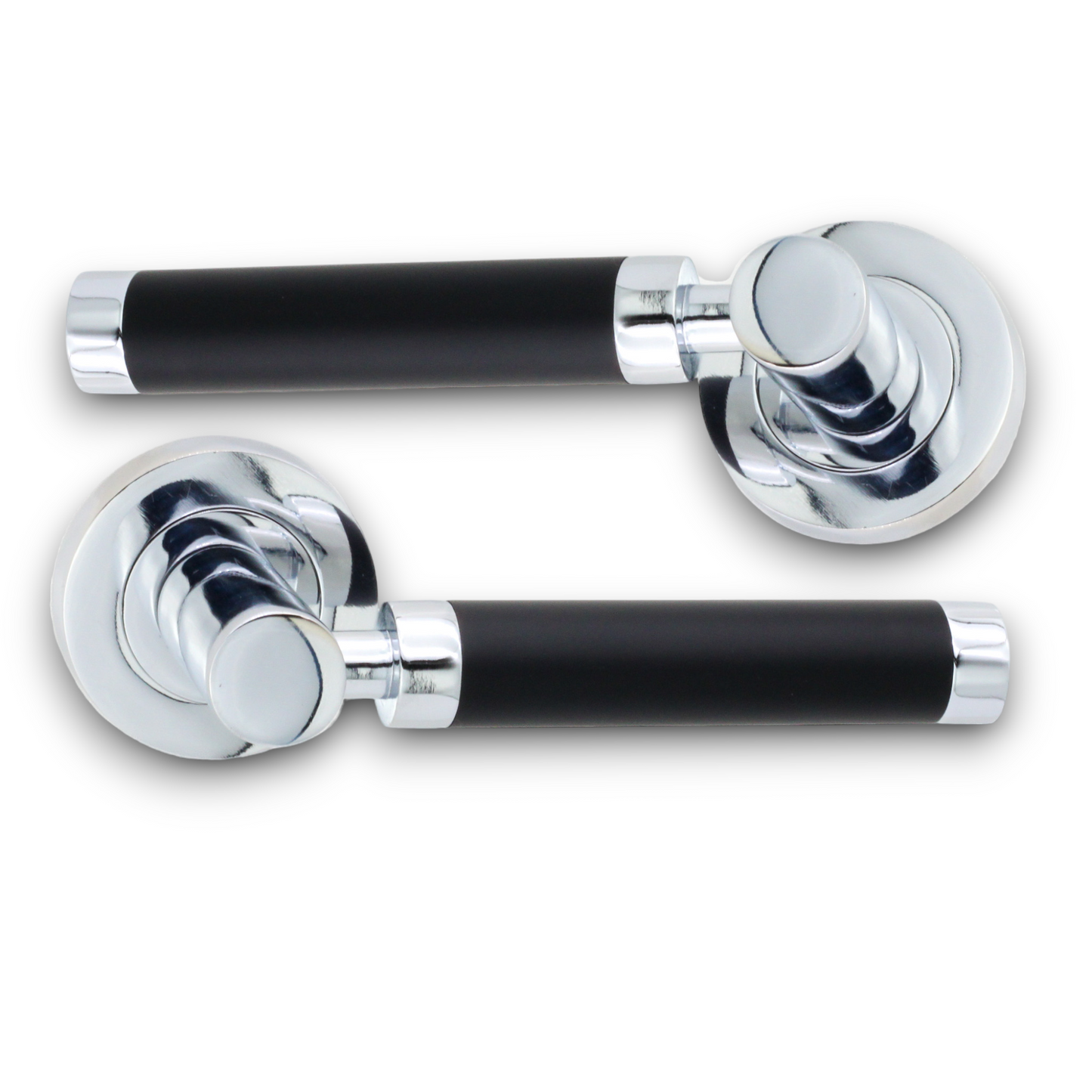
Latch Lock: A Complete Guide to Security, Types, and Uses
A latch lock is one of the most essential and widely used locking mechanisms in modern homes, offices, and commercial spaces. It offers a simple yet effective way to secure doors without requiring complex installation or operation. Designed to automatically latch when the door closes, a latch lock provides both convenience and safety. Whether you are upgrading your home security or installing new door hardware, understanding latch locks can help you make an informed decision. Their versatility, affordability, and ease of use make them a popular choice for interior and exterior doors alike, ensuring both functionality and peace of mind.What is a Latch Lock?
A latch lock is a type of door locking mechanism that uses a spring-loaded latch to keep the door closed. When the door is pushed shut, the latch automatically engages with the strike plate, securing the door without the need for a key.
It can be opened by:
Turning a handle or knob
Using a key (in some models)
Pressing a lever
How Does a Latch Lock Work?
The working mechanism of a latch lock is simple:
The latch bolt is angled and spring-loaded.
When the door closes, the latch retracts slightly.
Once aligned with the strike plate, it snaps into place.
Turning the handle retracts the latch and opens the door.
This automatic locking feature makes it highly convenient for daily use.
Types of Latch Locks
1. Spring Latch Lock
This is the most common type. It uses a spring mechanism to hold the latch in place and is typically found in residential doors.
2. Deadlatch
A more secure version of the spring latch, it includes a guard bolt that prevents forced entry using tools.
3. Tubular Latch Lock
Widely used in modern doors, it fits inside a cylindrical hole and is easy to install.
4. Mortise Latch Lock
Installed within a pocket (mortise) cut into the door, this type offers enhanced durability and security.
Advantages of Using a Latch Lock
Ease of Use: Simple operation with minimal effort
Automatic Locking: Secures doors instantly upon closing
Cost-Effective: Affordable compared to advanced locking systems
Versatility: Suitable for homes, offices, and commercial spaces
Quick Installation: Requires minimal tools and expertise
Common Applications of Latch Locks
Latch locks are used in various settings, including:
Interior doors (bedrooms, bathrooms)
Office cabins
Main entry doors (with added security features)
Cabinets and storage units
Latch Lock vs Deadbolt
Feature Latch Lock Deadbolt
Security Moderate High
Operation Automatic Manual
Installation Easy Slightly complex
Usage Interior & light exterior Main doors
While latch locks are convenient, combining them with deadbolts increases overall security.
How to Choose the Right Latch Lock
When selecting a latch lock, consider:
Door Type: Interior or exterior
Material Quality: Stainless steel or brass for durability
Security Needs: Basic or advanced protection
Compatibility: Ensure it fits your door thickness
Design: Match with your door hardware aesthetics
Maintenance Tips for Latch Locks
To keep your latch lock functioning properly:
Clean it regularly to remove dust
Lubricate the internal mechanism
Check alignment with the strike plate
Tighten loose screws
Proper maintenance extends the lifespan and performance of the lock.
Conclusion
A latch lock remains a practical and reliable solution for everyday security needs, combining simplicity with efficiency in one compact mechanism. Its automatic locking feature, ease of installation, and wide range of applications make it ideal for both residential and commercial use. While it may not offer the highest level of security on its own, pairing it with additional locking systems can significantly enhance protection. By understanding the different types, benefits, and maintenance requirements, you can choose the perfect latch lock for your needs. Investing in a quality latch lock ensures long-term durability, convenience, and improved safety for your space. 2026-4-10 12:27 Shifting Your Home in Raipur? SS Movers Groups Makes It Effortless BujfpultyBtjOrarkafzf VbupultyBtjOrarkzknt fake 20 dollar bill BujfpultyBtjOrarkedbp VbupultyBtjOrarknrie BujfpultyBtjOrarktbeq Differential Pressure Explained: Principles and Uses Zhonggong Group: Building Global Infrastructure Battery Shop in Plano TX How to Build a Future-Proof Career with Digital Marketing How to Choose the Right Paving Contractor in St Albans Refresh Your Look Today: What to Expect from Botox in Riyadh