Is Laser Hair Removal Painful or Bearable?
Unwanted hair removal can sometimes be uncomfortable, especially when shaving causes irritation or waxing produces significant discomfort. Laser hair removal offers an alternative that can reduce hair growth over a series of treatments, but many people wonder whether the procedure hurts. The sensation is generally described as a brief snapping, tingling, or warm feeling rather than continuous pain. For people considering Laser Hair Removal in Abu Dhabi, understanding what the treatment feels like, which areas may be more sensitive, and how discomfort can be managed can help make the experience more comfortable.Is Laser Hair Removal Painful?
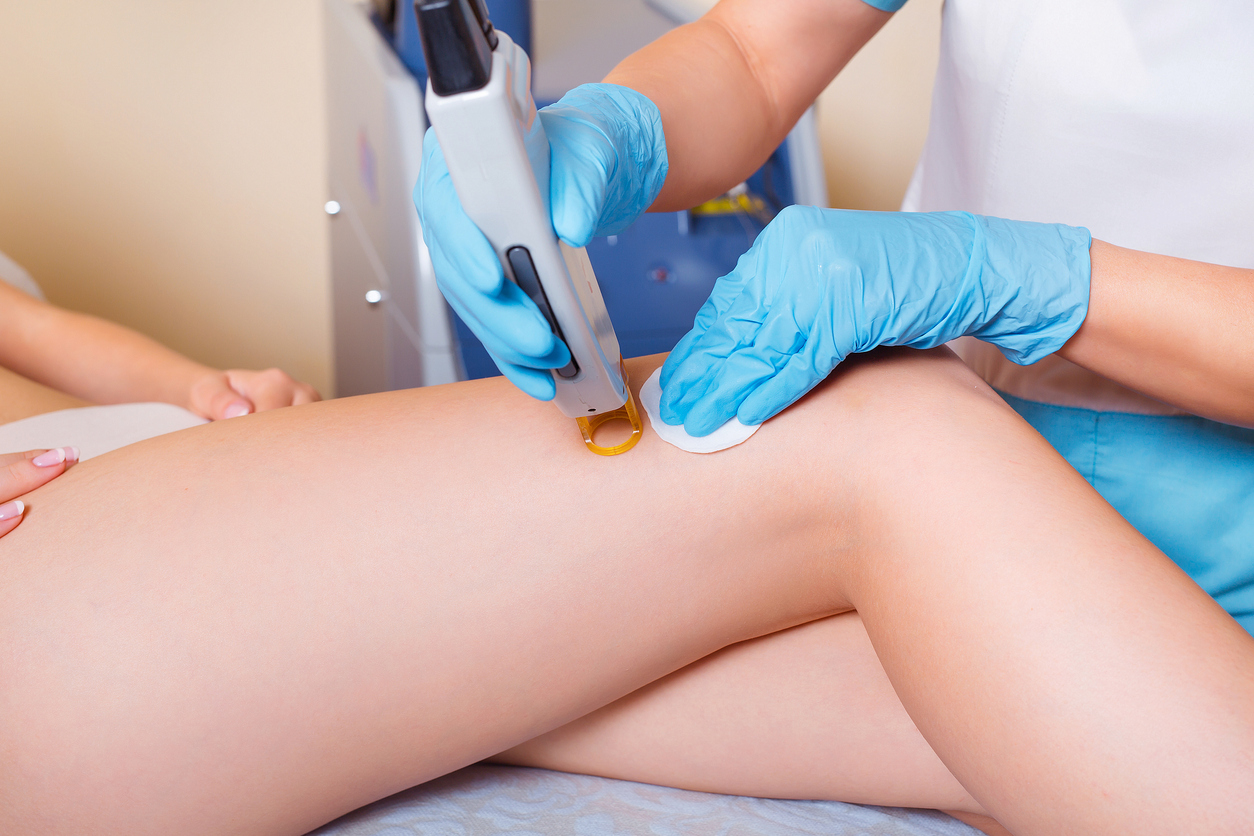
Laser hair removal is usually bearable for most people, although the level of discomfort varies. During treatment, the laser directs light energy towards the pigment in hair follicles, producing heat that damages the follicles and reduces future hair growth. This process can create a sensation similar to a small rubber band snapping against the skin or a brief prick of heat.
The experience depends on several factors, including the treatment area, hair thickness, skin sensitivity, laser technology, and individual pain tolerance. Some people experience only mild discomfort, while others find certain areas more sensitive. Modern laser systems may include cooling features that help protect the skin and improve comfort during treatment.
What Does Laser Hair Removal Feel Like?
A Brief Snapping Sensation
Many people describe the sensation as a quick snap against the skin. Each pulse delivers energy to a small area, so the feeling is usually brief rather than continuous. The sensation may become more noticeable where hair is dense or coarse because the laser targets pigment in the follicles.
The discomfort often varies throughout the session as the practitioner moves between areas. Some people become more accustomed to the sensation as treatment continues, while others may need short breaks. Let your practitioner know if the discomfort becomes difficult to tolerate so the settings and technique can be reviewed where appropriate.
Warmth or Mild Tingling
Some people notice warmth, tingling, or a mild prickling sensation during and shortly after treatment. This can occur because the laser produces heat around the hair follicles. Mild redness or swelling around individual follicles may also appear temporarily after the session.
These reactions generally settle within hours or a short period. Strong pain, blistering, or worsening skin changes should not be dismissed as normal. If these symptoms develop, contact your provider for assessment.
Which Areas Hurt the Most During Laser Hair Removal?
Upper Lip and Chin
Facial areas such as the upper lip and chin can feel more sensitive because the skin may be delicate and the hair can be coarse. The upper lip is a small treatment area, so the session is usually brief, although individual pulses may feel sharp.
The chin may also be sensitive, particularly when treating dense or coarse hair. Facial hair growth can be influenced by hormones, meaning that ongoing maintenance may be necessary for some people. A practitioner can explain the likely treatment schedule and what level of discomfort to expect.
Underarms
The underarms are a common area for laser hair removal. Some people experience a noticeable snapping or pinching sensation because the skin can be sensitive and the hair may be relatively thick. However, the treatment area is small, so the procedure is generally brief.
Keeping the area clean and following shaving instructions can help prepare the skin. Avoid applying fragranced products or deodorant on the day if your practitioner advises against them. If the skin is irritated from shaving, tell the provider before treatment begins.
Bikini Line and Brazilian Area
The bikini line and Brazilian area may be more uncomfortable than some other body areas because of skin sensitivity and the density of hair. The level of discomfort varies according to the exact area being treated, the laser device, and individual tolerance.
A qualified practitioner should explain the treatment boundaries beforehand and use suitable settings for the skin and hair. You can ask for short pauses during the procedure if needed. Loose clothing and gentle aftercare may help minimise friction and discomfort after treatment.
Legs and Arms
Many people find laser hair removal on the legs and arms relatively manageable, although some areas can be more sensitive than others. Hair density and thickness can influence the sensation, and larger treatment areas may take longer to complete.
The practitioner may adjust the treatment approach according to your response and the device being used. If you have very sensitive skin or have experienced discomfort during previous sessions, discuss this before your appointment so suitable precautions can be considered.
Chest and Back
The chest and back can generally be treated without extensive downtime, but discomfort depends on hair density, skin sensitivity, and the size of the treatment area. Areas with coarse hair may feel more noticeable during laser pulses.
For larger areas, the session may involve many pulses, which can make the overall experience feel longer even when each pulse is brief. Your practitioner can explain how the area will be covered and whether the treatment can be divided into separate appointments if appropriate.
What Factors Affect Laser Hair Removal Pain?
Hair Thickness and Density
Coarse, dark hair often responds well to laser hair removal because it contains more of the pigment targeted by the laser. However, denser hair may make the sensation more noticeable during treatment, particularly in the early sessions.
As hair growth decreases over a course of treatments, some people notice that later sessions feel more comfortable. This is not guaranteed, because sensitivity, settings, and other factors also influence the experience.
Skin Sensitivity and Pain Tolerance
Everyone experiences discomfort differently. Factors such as natural skin sensitivity, previous skin irritation, and personal pain tolerance can influence how laser hair removal feels. The same treatment may feel mild to one person and more uncomfortable to another.
If you have a history of skin reactions, burns, or pigmentation changes, discuss this with your practitioner. The treatment settings should be selected according to your skin and hair characteristics rather than based only on how much discomfort you can tolerate.
Laser Technology and Cooling Systems
Different laser devices use different wavelengths and cooling methods. Some systems cool the skin before, during, or after each pulse, which can reduce the sensation of heat and help protect the skin's surface.
The most suitable device depends on skin tone, hair colour, treatment area, and other individual factors. People with darker skin tones can often receive laser hair removal safely when suitable technology and settings are used by an experienced professional. The goal is to balance effective hair reduction with skin safety, not simply to maximise laser intensity.
How Can You Make Laser Hair Removal More Comfortable?
Choose a Qualified Practitioner
An experienced practitioner can assess your skin and hair, select appropriate settings, and monitor your skin's response during treatment. Correct technique is important for both comfort and safety. Before beginning, discuss any concerns about pain, sensitivity, or previous reactions.
A patch test may be recommended, particularly when you are new to treatment or when the provider needs to assess how your skin responds to a particular device. Ask what sensations are expected and how you can communicate if you need a pause.
Follow Shaving and Skincare Instructions
Shaving is commonly recommended before laser hair removal because it removes visible hair above the skin while leaving the follicle available for targeting. Follow the provider's instructions on when to shave, often around 12 to 24 hours before the appointment.
Avoid waxing or plucking for the recommended period before treatment, as these methods remove hair from the follicle. Arrive with clean skin and avoid tanning before the session. Irritated or sunburned skin may be more uncomfortable and could require treatment to be postponed.
Ask About Cooling and Pain Relief
Cooling systems, cold compresses, or other comfort measures may help reduce discomfort. Some providers may recommend a topical numbing product for selected areas, but it should only be used with professional guidance. Incorrect use of numbing creams, especially over large areas or under occlusion, can cause serious side effects.
Do not apply numbing products or take medication specifically for the procedure without checking with a healthcare professional. Your practitioner can explain which options are appropriate for the treatment area and your medical history.
Communicate During the Session
You do not need to remain silent if the treatment becomes uncomfortable. Tell your practitioner if the sensation feels unusually intense, if you experience sharp or persistent pain, or if the skin feels excessively hot. They can pause, reassess the area, and determine whether the settings or technique should be adjusted.
A brief snapping sensation may be expected, but severe or escalating pain should not be ignored. Clear communication helps the practitioner respond to your needs while maintaining appropriate treatment safety.
Is Laser Hair Removal More Painful Than Waxing?
The comparison depends on personal preference. Waxing pulls hair from the root and can cause a sharp, pulling sensation, while laser hair removal usually produces brief pulses of heat or snapping. Some people find laser treatment easier to tolerate, whereas others find certain laser-treated areas uncomfortable.
Laser hair removal also differs from waxing in its longer-term purpose. Waxing temporarily removes existing hair, while laser treatment aims to reduce future growth over multiple sessions. It does not guarantee complete or permanent hair removal, and maintenance appointments may be needed. The best option depends on your comfort, skin response, hair characteristics, and long-term goals.
What Happens After a Laser Hair Removal Session?
After treatment, the skin may look slightly red or feel warm, similar to mild sun exposure. Small areas of swelling around hair follicles can also occur. These effects are usually temporary and often improve within several hours to a couple of days.
Follow the aftercare instructions provided by your practitioner. You may be advised to use a cool compress, avoid excessive heat and strenuous exercise for a short period, and protect the area from sunlight. Avoid scrubbing the skin or applying irritating products until it has settled. Seek medical advice if you develop severe pain, blistering, or unusual skin colour changes.
Conclusion
Laser hair removal is generally bearable for many people, although some discomfort is common and certain areas, including the upper lip, underarms, and bikini line, may feel more sensitive. The sensation is often described as a brief snap or warm prick, and cooling systems may improve comfort. Choosing a qualified practitioner, following preparation instructions, and communicating during treatment can help make the experience more manageable. Before booking Laser Hair Removal Abu Dhabi, discuss your skin type, hair characteristics, pain concerns, and suitable comfort measures with a trained professional.
Frequently Asked Questions
1. Does laser hair removal hurt more during the first session?
The first session may feel more noticeable because the hair can be dense and coarse. Some people find later sessions easier as hair growth decreases, although the level of discomfort varies between individuals and treatment areas.
2. Which laser hair removal area is the most painful?
The upper lip, underarms, and bikini or Brazilian area can be more sensitive for some people. However, pain tolerance varies, and the device, settings, hair density, and skin sensitivity all affect the experience.
3. Can I use numbing cream before laser hair removal?
Only use numbing cream if your practitioner recommends it and explains how to use it safely. Applying too much or using it over large areas can cause serious side effects, so self-treatment without guidance is not advisable.
4. Is it normal to feel pain after laser hair removal?
Mild warmth, tenderness, or redness can occur for a short time after treatment. Severe or worsening pain, blistering, or unusual skin colour changes are not typical recovery signs and should be assessed by a healthcare professional. 2026-10-26 22:51 IGNOU DECE Project Report and Sample +1-844-962-3246 Ryanair CRL Terminal Questions To Ask When Shopping Used Cars 알차게 정리한 강남 유앤미 정보 모음 Advanced Air Tel Aviv Office Book Amity MBA Project Report and Sample sunwinm7uscom Flair Airlines YXE Terminal 1-844-962-3246 Southwest Airlines SFO Terminal Prestige Evergreen Apartments Crypto.com Wallet - Onchain Wallet Extension | Official Site Discover Brand-Related Adult Entertainment Search Interests Pool heat pumps canberra