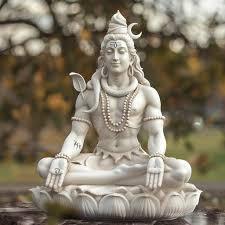
How Shiva Murti Design Has Evolved from Ancient Temples to Modern Homes
When you look at a Lord Shiva murti today—sleek, shiny, maybe even minimalist—it’s easy to forget just how deep its roots go. These sacred forms aren’t just decorations. They carry centuries of artistic evolution, shifting cultures, and layers of spiritual meaning. The journey from massive stone idols in towering temples to small, stylish sculptures in city apartments isn’t just about changing tastes. It’s a story about how devotion keeps changing with the times, yet somehow always keeps its heart.So how did we get from giant, awe-inspiring Shiva statues to the compact, elegant pieces you might see in someone’s living room? Let’s walk through that transformation.
Ancient Temples: Grandeur with Purpose
Go back a thousand years, and Shiva murtis were big, serious business. Artisans weren’t just flexing their creative muscles—they worked under strict rules drawn from texts like the Shilpa Shastra. Every line and gesture meant something. These stone sculptures weren’t meant to simply impress; they were built to last and to channel spiritual energy in ways people really believed in.
You’d see Shiva in a few iconic forms—Nataraja, the cosmic dancer, perfectly balanced between creation and destruction. The meditative Mahayogi, lost in stillness. Ardhanarishvara, blending masculine and feminine energies into one. These weren’t just artistic choices—they were loaded with symbolism, philosophy, and spiritual purpose.
The scale mattered. Standing before a huge Shiva statue, you’d feel small next to the divine. There was detail everywhere: unruly locks, meaningful mudras, jewelry packed with story. In those days, a murti wasn’t a decor item—it was the core of the temple’s spiritual life.
Medieval Times: Regional Flavors and New Materials
As temples spread across India, the design of Shiva murtis changed with the landscape. Down south, especially during the Chola dynasty, artists worked magic in bronze—just think of those graceful Natarajas. Up north, people stuck with stone, but the style and scale shifted depending on the rulers and local stone.
Idols now had more expressive faces and poses, reflecting regional aesthetics. Ornamentation got lavish as royals started influencing temple art. Metals like brass and bronze started showing up more, making the murtis easier to move and even own at home.
People began bringing smaller Shiva idols into their own homes. Temple worship was still central, but personal devotion was on the rise.
Colonial Era: Survival and Shifts
Things changed with the colonial period. Many temples fell into neglect, and a lot of traditional crafts faded away. But the silver lining? Historians and archaeologists started documenting these ancient designs, preserving what they could.
Household worship took over—smaller, plain Shiva murtis made from wood or clay became more common. They were practical, easy to hide or move, and kept the tradition alive during tough times.
Modern Age: Sacred Meets Style
Now fast-forward to today. Shiva murtis have found a new lease on life—and the design universe’s the limit. The core spiritual meaning hasn’t gone anywhere, but the look and feel have shifted to fit our busy, urban lives.
Minimalism is in. Young people, and really anyone who’s not into clutter, love clean lines, simple forms, and even abstract takes on Shiva. Spirituality fits right into a modern, well-designed room.
Materials have changed too. Stone and bronze are great, but you’ll also find marble for a luxe vibe, resin for those on a budget, crystals for some extra sparkle, and eco-friendly clay for the planet-conscious.
Most apartments don’t exactly have space for six-foot statues. So artists have made murtis that fit on a small shelf, a desktop, or a quiet meditation nook. They may be compact, but the spiritual core is just as strong.
Tradition Gets a Makeover
There’s a real trend right now—blending the old with the new. You’ll find geometric takes on Shiva, abstract Nataraja sculptures, and even versions in monochrome or bold metallics. These aren’t rejections of tradition; they’re a reinterpretation. A minimalist Shiva face can still radiate peace and calm.
People want their spirituality to feel immediate and personal, to fit their lifestyle, not just their rituals.
Design and Décor: Sacred as Statement
Interior design shapes multiple choices too. Some people pick a Shiva idol because it fits their home’s energy and design as much as for पूजा (worship). You’ll see Zen-inspired rooms with meditative Shiva murtis, luxurious marble or crystal pieces, and hand-crafted statues in more bohemian homes.
This doesn’t make the practice shallow. It makes it practical—and honestly, more welcoming. The right Shiva murti can turn a regular corner into a tranquil, energizing spot.
Buying a Shiva Murti? There’s an App for That
And now, it’s all online. No need to trek to a temple city or search for a local artisan. With a few clicks, you get to browse, customize, and order your idol in any material, any style. The level of access and information is unprecedented, and it’s spreading awareness of the incredible variety in Shiva’s forms.
Some Things Never Change
One thing stays steady: the meaning. No matter how small or abstract the murti is, it stands for the same ideas—peace within, transformation, and the balance between beginnings and endings.
What the Journey Reveals
Shiva murti design is really a mirror—reflecting how our traditions shift but keep their heart. It’s about devotion getting a little more personal, even as lifestyles and homes keep evolving. Centuries ago, devotion meant stone grandeur; now, it’s about accessibility, simplicity, and personal meaning.
Wrapping Up
From ancient temples to modern apartments, Shiva murti design has changed with the times but never lost its soul. Whether it’s a monumental statue echoing with centuries of prayers, or a sleek, modern idol resting on a bookshelf, both keep the spirit of Lord Shiva alive—timeless, powerful, and full of meaning, just like always.
lort shiva murti