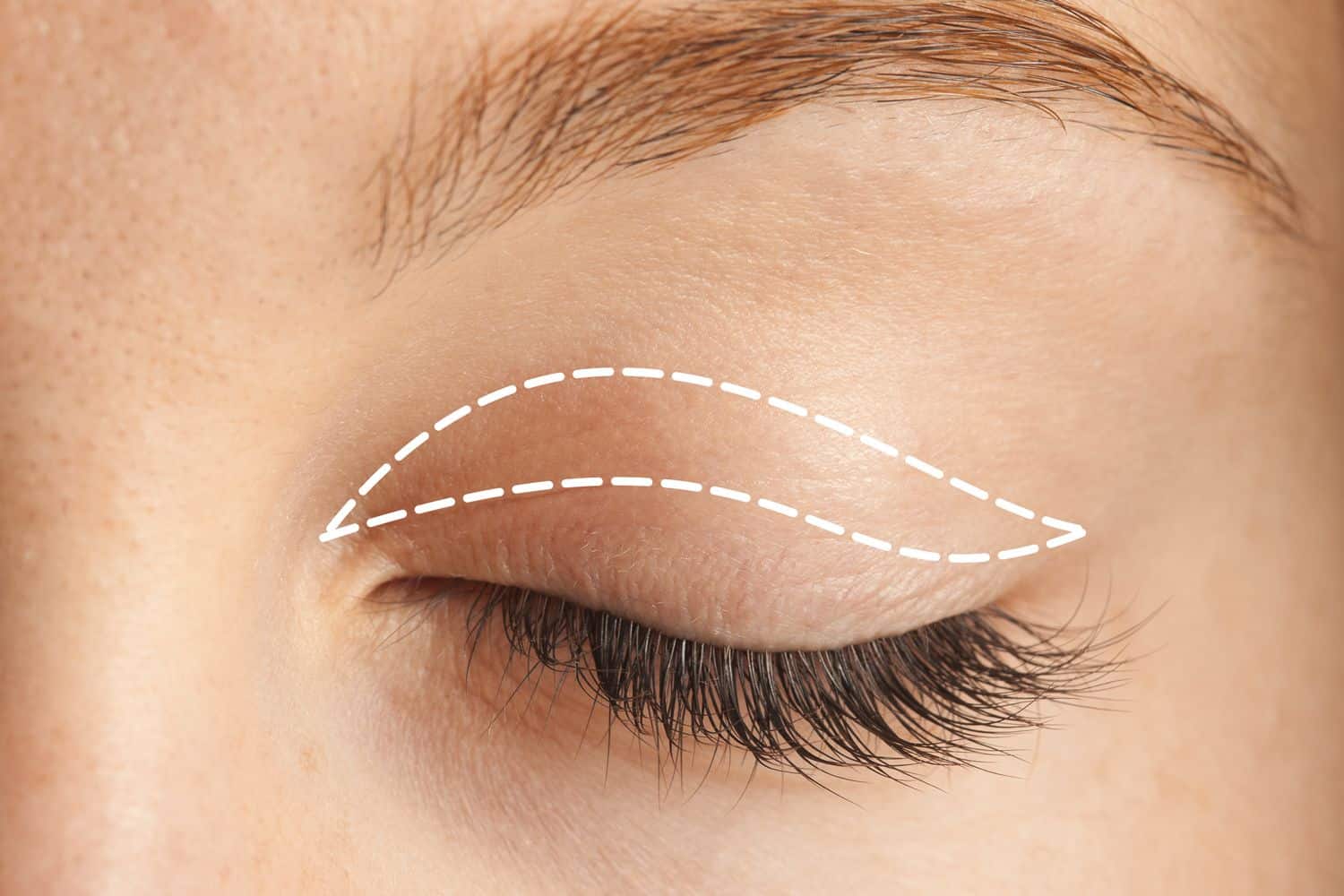
How Do Surgeons Choose Between Transcutaneous and Transconjunctival Access?
Two patients may have almost identical under-eye bags but need completely different surgical approaches. One may have firm skin with prominent fat pockets, while the other may have loose skin, wrinkles, and weakened lower eyelid support. This is why choosing the right technique is an important part of Eyelid Surgery in Islamabad. Surgeons consider the condition of the skin, fat distribution, and eyelid structure before deciding where to make the surgical incision.The two commonly used approaches for lower blepharoplasty are transcutaneous and transconjunctival access. Both allow surgeons to address under-eye concerns, but they differ in where the incision is made and what structures can be treated.
What Is Transcutaneous Access?
Transcutaneous access involves making an incision through the skin, usually just below the lower eyelashes. This gives the surgeon access to the tissues beneath the eyelid, including the skin, muscle, and underlying fat compartments.
One advantage of this approach is that it allows the surgeon to address more than one concern during the same procedure. If a patient has prominent under-eye bags along with loose skin and fine wrinkles, the surgeon can remove or reposition fat and address selected excess skin.
The incision is generally placed close to the lash line so that the resulting scar is less noticeable once healing progresses. However, this technique requires careful handling of the lower eyelid because excessive skin removal or tension can affect its position.
Transcutaneous access is often considered when both excess skin and deeper tissue changes need correction.
What Is Transconjunctival Access?
Transconjunctival access uses an incision inside the lower eyelid, through the conjunctiva. The conjunctiva is the thin membrane covering the inner surface of the eyelid.
Because the incision is made internally, there is no external skin incision along the lower eyelid. The surgeon can reach the orbital fat pockets and carefully remove or reposition fat responsible for under-eye bulges.
This approach is particularly useful for patients who have prominent fat pockets but little excess skin. Younger adults with good skin elasticity may be suitable candidates, although age alone does not determine suitability.
The main advantage is access to the fat compartments without creating an external lower eyelid scar. However, it does not directly remove loose skin or treat every type of under-eye concern.
What Is the Main Difference Between the Two Techniques?
The biggest difference is the route through which the surgeon reaches the underlying tissues. Transcutaneous access comes through the skin, while transconjunctival access approaches the fat from inside the lower eyelid.
This difference affects the type of correction possible. Transcutaneous surgery provides access for skin and muscle adjustments as well as fat treatment, whereas transconjunctival surgery is primarily used for fat-related concerns.
Neither technique is automatically better. A patient with good skin elasticity and isolated fat bulges may benefit from an internal approach, while someone with significant loose skin may need an external incision.
The decision depends on what needs correcting, not simply on which technique sounds less invasive.
How Does Skin Quality Influence the Choice?
Skin quality is one of the first things surgeons consider during lower eyelid assessment. Some patients have smooth, firm skin but noticeable fat bulges beneath their eyes. Others have fine wrinkles, loose skin, and reduced elasticity along the lower eyelids.
When the skin is relatively firm, transconjunctival access may provide a suitable route for treating the fat pockets without removing skin unnecessarily.
However, when excess skin is a major concern, an external approach may be more appropriate. The surgeon can assess how much skin can be safely adjusted while preserving comfortable eyelid closure.
Removing fat alone will not correct significant loose skin. Choosing the approach according to skin condition helps avoid leaving an important concern untreated.
How Does Fat Distribution Affect Surgical Planning?
Under-eye bags are often associated with prominent orbital fat. This fat normally cushions and protects the eyes, but it can become more visible when it projects forward beneath the lower eyelids.
The surgeon evaluates whether the fat is evenly distributed or whether certain compartments create more noticeable bulges. They also look for hollowness between the lower eyelid and cheek, commonly called the tear trough.
In some patients, removing selected fat may improve the contour. In others, repositioning the existing fat towards the hollow area may produce a smoother transition.
The aim is to create a balanced under-eye appearance without removing too much natural volume. This consideration is particularly important because excessive fat removal can leave the lower eyelids looking hollow.
What Factors Do Surgeons Consider Before Choosing an Approach?
A proper examination helps establish which technique is likely to provide the most appropriate correction. Looking at under-eye bags alone is not enough because the surrounding skin, muscles, and supporting structures also influence the outcome.
During Eyelid Surgery in Islamabad, the surgeon may evaluate:
Skin elasticity: Whether the lower eyelid skin is firm or has significant wrinkles and excess tissue.
Fat prominence: Whether visible under-eye bulges are caused by protruding orbital fat.
Tear trough depth: Whether hollowing is present and whether fat repositioning may be useful.
Lower eyelid laxity: Whether the eyelid has enough support to maintain its natural position after surgery.
Muscle condition: Whether the orbicularis oculi muscle needs to be considered during surgical planning.
Previous procedures: Whether earlier eyelid surgery or scarring has changed the normal anatomy.
Overall eye health: Whether the patient has dry eyes, irritation, previous eye conditions, or other concerns that could influence treatment.
These details help the surgeon choose an approach that addresses the concern without creating unnecessary changes to the eyelid.
Can Both Techniques Produce Natural-Looking Results?
Yes. Both transcutaneous and transconjunctival approaches can produce natural-looking improvements when used for suitable patients.
The final appearance depends on the surgeon's technique, the patient's anatomy, and how much tissue needs to be adjusted. Preserving the natural contour of the lower eyelid is important with either approach.
Transcutaneous surgery may involve an external scar, although careful incision placement can make it less noticeable with healing. Transconjunctival surgery avoids an external incision, but it may not address significant skin laxity without an additional treatment.
A natural result comes from appropriate correction rather than aggressive tissue removal.
Can the Surgeon Combine Lower Eyelid Surgery With Additional Support?
Sometimes, treating the skin and fat alone is not enough. Patients with weak lower eyelid support may require an additional procedure to help maintain the eyelid's position.
A canthopexy, for example, may be considered when the lower eyelid needs reinforcement. More significant structural problems may require a different form of correction.
Cheek position can also influence the appearance of the lower eyelid. In selected patients, the surgeon may discuss additional procedures to improve the transition between the eyelid and cheek.
Additional surgery should only be recommended when the examination shows a clear reason for it. Not every patient undergoing lower blepharoplasty needs eyelid tightening or cheek correction.
What Should Patients Expect During Recovery?
Recovery depends on the surgical approach and whether additional procedures are performed. Swelling, bruising, temporary tightness, and mild discomfort are common after lower eyelid surgery.
Patients who undergo transcutaneous surgery may need additional time for the external incision to heal. With transconjunctival access, there is no external skin incision, but internal healing and swelling still occur.
The surgeon may recommend specific eye-care instructions, restrictions on strenuous activity, and follow-up examinations. Patients should report increasing pain, unusual swelling, vision changes, or difficulty closing the eyes promptly.
Healing takes time, and the final contour should not be judged during the earliest stages of recovery.
Which Approach Is Right for You?
There is no single technique that suits everyone. Transcutaneous access may be more appropriate when loose skin and fat both need attention, while transconjunctival access is often considered when prominent fat pockets are the main concern and skin elasticity is adequate.
A consultation allows the surgeon to examine the lower eyelids and explain the advantages and limitations of each option. Patients should also discuss potential complications, expected scars, recovery, and realistic results before making a decision.
For patients considering Eyelid Surgery in Islamabad, Dynamic Clinic PK offers personalised guidance based on individual eyelid anatomy and aesthetic concerns. Its expertise, board-certified surgeons, and advanced surgical techniques help patients explore suitable approaches for lower eyelid correction while maintaining natural-looking contours and proper eyelid function. 2026-11-12 14:03 Medical Equipment And Supplies Interior Designer In Delhi NCR for Comfortable Modern Homes Rental Car or Private Driver? Why Taxi Kefalonia Often Wins nhatvipcharity Common AOD Transmission Problems and Solutions Common AOD Transmission Problems and Solutions Car Transportation Los Angeles Marketing for Tradesmen Hire Professional and Trusted SEO Company in USA What Makes Emergency Snow Clearing Different From Scheduled Winter Maintenance? How Do Beginner Pilates Classes Houston Help You Learn Proper Form? RemoteMarketer w789clubco