Five Important Details to Check Before Choosing a Zirconia Crown Dentist
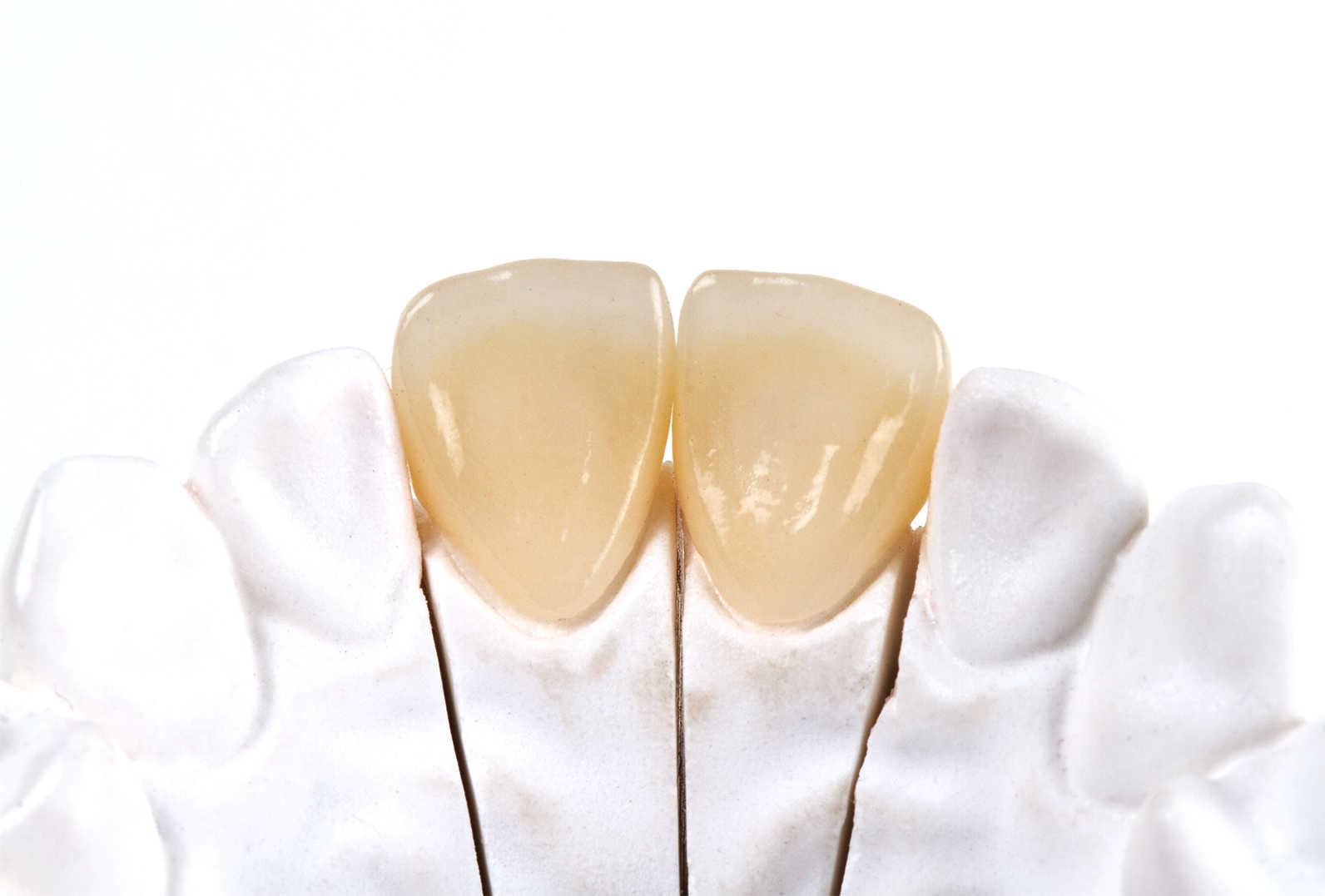
Zirconia crowns are tooth-shaped restorations made from zirconium dioxide, a strong ceramic material used in modern dentistry. They are designed to cover damaged, weakened, heavily restored, or cosmetically compromised teeth. Their durability, natural-looking appearance, and metal-free composition make them a popular option for patients seeking restorative dental treatment.However, successful treatment depends on more than choosing a high-quality crown. The dentist's experience, the condition of the tooth, the accuracy of the crown's fit, and the patient's oral health all influence the final result.
Before booking an appointment, patients should understand what to look for in a dental professional. If you are considering Zirconia Crown in Islamabad, reviewing the following five details can help you make a more informed decision and prepare useful questions for your consultation.
Check the Dentist's Qualifications and Clinical Experience
The first detail to investigate is the dentist's professional qualification and experience with restorative dentistry. Zirconia crowns require careful assessment, accurate tooth preparation, and appropriate placement to achieve a comfortable fit and reliable function.
A qualified dentist should be able to explain why a zirconia crown is suitable for your tooth and whether another restoration might be more appropriate.
During your consultation, consider asking:
- What are your qualifications and experience in restorative dentistry?
- How frequently do you perform crown treatments?
- How do you assess whether a tooth can support a crown?
- What potential complications should I understand before treatment?
Experience matters because every tooth presents different challenges. A crown for a front tooth may require particular attention to shade and shape, while a crown for a molar must withstand substantial chewing forces.
A responsible dentist will evaluate your individual needs instead of recommending the same treatment to every patient. They should also explain any limitations, including cases where extensive tooth damage, gum disease, or inadequate tooth structure may affect treatment suitability.
Evaluate the Quality of Zirconia Materials and Dental Laboratory Work
The second important detail is the quality of the zirconia material and the process used to manufacture the crown. Not all zirconia restorations are identical. Different zirconia formulations offer different balances of strength, translucency, and aesthetics.
For example, highly aesthetic zirconia may be appropriate for certain visible teeth, while stronger formulations may be considered for areas exposed to greater chewing pressure. The right choice depends on the tooth's location, bite, cosmetic expectations, and clinical condition.
Before proceeding, ask your dentist about the following:
- Material selection: Which type of zirconia is recommended for my tooth, and why?
- Laboratory standards: How is the crown designed, manufactured, and checked for accuracy?
- Shade matching: How will the crown's colour and translucency be matched with surrounding teeth?
- Quality control: What checks are performed before the crown is fitted?
Modern digital technologies, such as intraoral scanning and computer-aided design and manufacturing (CAD/CAM), can support accurate crown production. However, technology alone does not guarantee a successful result. Clinical judgment, preparation quality, laboratory expertise, and final adjustments remain essential.
Patients should also ask whether the proposed material is suitable for their bite and aesthetic goals. Clear explanations about material choices can help you understand the expected benefits and limitations of treatment.
Review the Clinic's Diagnostic Technology and Treatment Process
The third detail is the clinic's approach to diagnosis and treatment planning. A zirconia crown should not be recommended simply because a tooth looks damaged. The dentist must identify the underlying problem and determine whether the tooth can be restored predictably.
A comprehensive assessment may include:
- Examination of the tooth and surrounding gum tissue.
- Evaluation of existing fillings, cracks, or structural damage.
- Assessment of the patient's bite and chewing forces.
- Dental X-rays when clinically indicated.
- Review of oral hygiene, gum health, and possible infection.
These steps help the dentist determine whether the tooth needs additional treatment before crown placement. For example, a tooth with active infection may require appropriate management before a definitive restoration can be considered.
The treatment process should also be explained clearly. Depending on the clinical situation, it may involve tooth preparation, an impression or digital scan, a temporary crown, laboratory fabrication, and final placement.
Patients should know what to expect at each stage, including the likely number of appointments and the importance of follow-up visits.
A well-organized treatment process helps reduce confusion and gives patients opportunities to discuss concerns before making a decision. If a clinic recommends a crown without examining the tooth or explaining alternative options, consider seeking another professional opinion.
Compare Crown Fit, Aesthetic Results, and Bite Adjustment
The fourth detail is how carefully the dentist checks the finished crown. Even a crown made from high-quality zirconia can cause problems if it does not fit properly or if the bite is not adjusted correctly.
An accurately fitted crown should cover the prepared tooth appropriately, have suitable contact with neighbouring teeth, and work comfortably during chewing. The dentist should also check the crown's relationship with the opposing teeth.
Important points to discuss include:
- Marginal fit: Does the crown fit closely around the prepared tooth?
- Bite alignment: Does it meet the opposing teeth without creating excessive pressure?
- Gum compatibility: Are the surrounding gums healthy, and can the area be cleaned effectively?
- Appearance: Does the shape and shade suit the surrounding teeth?
- Patient comfort: Are any adjustments needed before the treatment is considered complete?
A poorly adjusted crown may contribute to discomfort, food trapping, gum irritation, or excessive forces on the restored tooth. These issues are not inevitable, but careful assessment can help reduce avoidable problems.
Patients should understand that zirconia crowns can be durable, but no restoration lasts forever. Their lifespan depends on oral hygiene, bite forces, grinding habits, the condition of the underlying tooth, and regular dental care.
If you grind or clench your teeth, tell your dentist before treatment. They may recommend strategies to protect the restoration, such as a suitable night guard when clinically appropriate.
Understand Aftercare, Warranty Terms, and Total Treatment Costs
The fifth detail is the support available after the crown has been placed. Choosing a dentist should involve more than comparing the initial price. Aftercare, follow-up arrangements, and the clinic's approach to addressing complications are also important.
Before agreeing to treatment, ask for a clear explanation of the total expected cost. The estimate should identify what is included and whether additional procedures could be needed.
Discuss the following points:
- Consultation and diagnostic charges.
- Crown fabrication and placement fees.
- Possible costs for additional procedures, if required.
- Follow-up appointments and adjustment policies.
- Written warranty or laboratory replacement terms, if offered.
Warranty conditions can differ between clinics and laboratories. Ask what the terms cover, how long they remain valid, and whether particular maintenance requirements apply. A warranty should not be treated as a guarantee that the crown will never need repair or replacement.
After treatment, maintain good oral hygiene by brushing twice daily with fluoride toothpaste, cleaning between your teeth, and attending regular dental check-ups. Although the zirconia material itself does not develop tooth decay, the natural tooth underneath and the surrounding gums can still develop problems.
Contact your dentist if you experience persistent pain, a loose crown, a change in your bite, or swelling around the treated tooth. Early assessment can help identify and address potential issues.
Choosing a Dental Clinic in Islamabad
When comparing providers, look for a clinic that combines professional expertise, transparent communication, suitable dental technology, and a patient-centred approach. The dentist should explain the diagnosis, discuss reasonable alternatives, and make sure you understand the expected benefits, limitations, and maintenance requirements.
SKN Cosmetics in Islamabad is one option patients may consider when exploring dental and cosmetic treatment services. Before choosing any provider for zirconia crowns, confirm that the clinic offers the specific restorative dental service you need, review the treating dentist's qualifications, and discuss your case during a consultation. Ask how the clinic evaluates tooth condition, selects crown materials, checks the final fit, and arranges follow-up care. These questions help you assess whether the proposed treatment aligns with your oral health needs.
Rather than making a decision based solely on promotional claims or the lowest quoted fee, prioritise clinical suitability, clear treatment planning, and appropriate aftercare. The best choice is a dentist who helps you understand your options and supports informed decision-making at every stage.
Frequently Asked Questions
What is a zirconia crown?
A zirconia crown is a strong ceramic cap used to restore and protect a damaged or weakened tooth.
How long does a zirconia crown last?
It may last many years, depending on oral hygiene, bite forces, crown fit, and regular dental care.
Is a zirconia crown better than a metal crown?
Zirconia offers a tooth-coloured, metal-free option. The best material depends on the tooth and individual clinical needs.
Is getting a zirconia crown painful?
The procedure is generally performed with local anaesthesia. Some temporary sensitivity may occur afterwards.
How do I choose a zirconia crown dentist in Islamabad?
Check the dentist's qualifications, experience, material choices, diagnostic process, crown-fitting technique, and aftercare arrangements.
Learn five important details to check before choosing a zirconia crown dentist in Islamabad, includi
Share:
