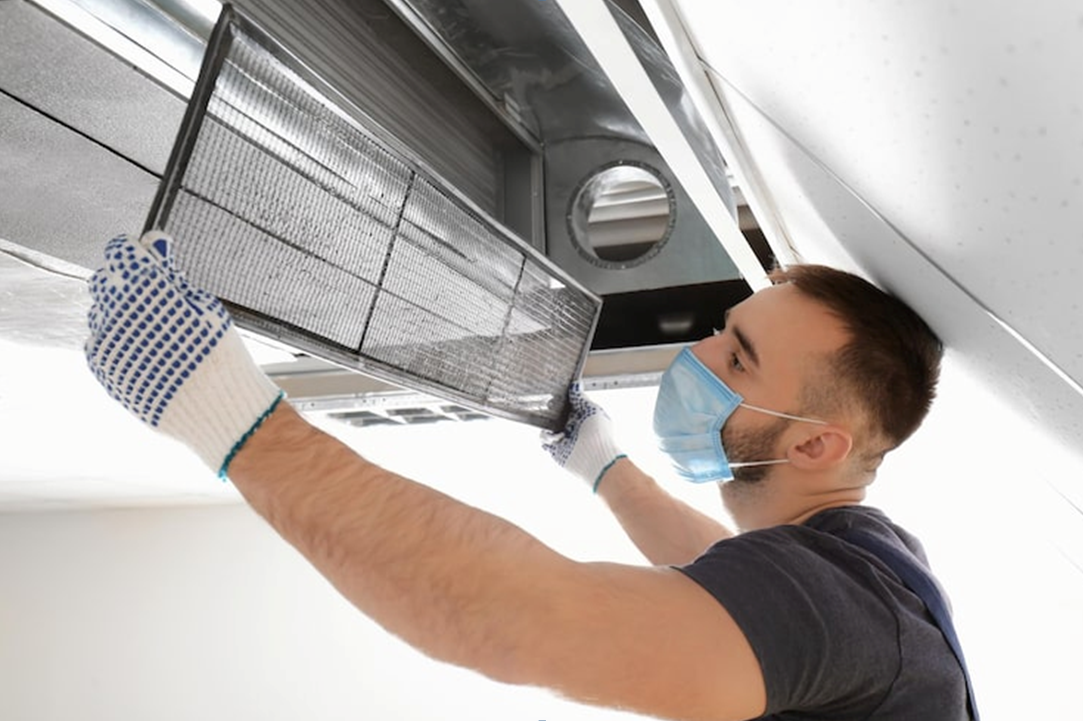
Does Homeowners Insurance Cover Air Duct Damage? A Complete Guide
Navigating the intricacies of homeowners insurance can feel like deciphering a complex code, especially when it comes to hidden components of your home like the air duct system. Tucked away behind walls and ceilings, your ductwork is the circulatory system of your home’s HVAC, responsible for distributing heated or cooled air to every room. When damage occurs, it’s not just an HVAC issue; it can impact air quality, energy efficiency, and even the structural safety of your property. This leads many homeowners to a pressing question: Will my insurance policy cover the cost of repairing or replacing damaged air ducts? The answer, as with many insurance matters, is not a simple yes or no. It hinges on the specific cause of the damage, the details of your policy, and the fine print that defines "covered perils." This complete guide will demystify the relationship between homeowners insurance and air duct damage, with a particular focus on the often-misunderstood role of duct cleaning, to empower you with the knowledge needed to protect your home and your wallet.Understanding Covered Perils: When Insurance Likely Will Cover Duct Damage
Homeowners insurance is designed as a safety net for sudden, accidental, and direct physical damage to your dwelling and other structures caused by specific events known as "covered perils." These typically include incidents like fire, lightning, windstorms, hail, explosions, vandalism, theft, and damage from vehicles or aircraft. When duct damage is a direct result of one of these named perils, coverage is generally straightforward. For instance, if a windstorm tears off part of your roof and rain subsequently damages your exposed ductwork in the attic, the repair costs for both the roof and the ducts would likely be covered. Similarly, if a fire damages sections of your duct system, or if a burglary results in vandalism where ducts are intentionally cut, your policy should respond. The key is establishing a clear, direct line from the covered event to the damage. Insurance is also likely to cover duct damage resulting from a covered loss to another part of your home. If a pipe bursts and floods a ceiling cavity, warping or corroding the metal ducts within, the duct repair would fall under the water damage coverage (typically from a sudden, accidental discharge). In these scenarios, the insurance company’s goal is to restore your home to its pre-loss condition, which includes the proper function of its air distribution system.
The Gray Areas and Common Exclusions: When Insurance Likely Will Not Cover Damage
Conversely, homeowners insurance explicitly excludes damage resulting from wear and tear, lack of maintenance, gradual deterioration, and intentional acts by the homeowner. This is where most duct-related claims encounter obstacles. Ductwork naturally accumulates dust, debris, and minor corrosion over years of use. If ducts eventually develop small leaks, become crushed due to aging supports, or suffer from widespread rust in a humid environment, these are considered maintenance issues. The insurer’s stance is that a homeowner has a responsibility to maintain their property, and failure to do so is not an insurable event. Two of the most significant exclusions relevant to ducts are pest infestations and mold. Damage caused by rodents, insects, or birds nesting in or chewing through ducts is almost universally excluded, as pest control is deemed a routine home maintenance task. Mold growth within ducts, often due to chronic humidity, condensation, or a slow, undetected leak, is also typically excluded. Insurance is for sudden accidents, not slow, preventable environmental problems. Furthermore, if poor maintenance of your HVAC system leads to a failure that damages the ducts, such as a neglected furnace crack spreading heat damage, that claim may be denied. Understanding these exclusions is crucial to setting realistic expectations about what your policy is designed to do.
Duct Cleaning: Maintenance vs. Restoration – A Critical Insurance Distinction
This brings us to the pivotal issue of duct cleaning. For insurance purposes, duct cleaning is almost always categorized as routine or preventative maintenance. It is a service undertaken to improve air quality, enhance HVAC efficiency, and remove normal accumulations of dust, pet dander, and allergens. As a maintenance procedure, its cost is the homeowner’s sole responsibility. No standard homeowners insurance policy will pay for routine duct cleaning. However, the context changes dramatically if the duct cleaning is part of the restoration process following a covered loss. This is a vital distinction. After a significant fire, a major dust and debris event (like a nearby construction disaster), or substantial water damage, ducts can become contaminated with soot, ash, toxic particles, or microbial growth. In these cases, a specialized, intensive duct cleaning and sanitization process is not mere maintenance; it is a necessary step to restore the home to a safe, habitable condition. An adjuster will often approve this as part of the overall claim, as it directly results from the covered peril. The line is drawn between cleaning for improvement and cleaning for restoration. Documenting the cause and severity of contamination is essential to justify this to your insurer.
Filing a Claim for Air Duct Damage: Steps and Considerations
If you believe your duct damage stems from a covered peril, a meticulous approach is necessary. First, immediately document everything. Take clear photographs and videos of the damage, highlighting its connection to the covered event (e.g., water-stained ducts directly below the ice-dam leak, soot-covered vents after the kitchen fire). Next, mitigate further damage if safely possible—this is a policyholder duty. Place a bucket under a leak, or shut off the HVAC system to prevent spreading contaminants. Then, contact your insurance company to start the claim process. Be prepared for the insurer to send an adjuster to inspect the damage. It is highly advisable to also obtain a detailed assessment and repair estimate from a licensed, reputable HVAC contractor. This professional opinion can be invaluable in substantiating the extent of damage, its probable cause, and the required remediation, which may go beyond what an adjuster initially perceives. Be aware of your policy’s deductible; for minor duct repairs, the cost may fall below this amount, making a claim financially impractical. Furthermore, consider the potential impact on future premiums before filing for a claim that may be borderline or of relatively low value.
Proactive Protection: Maintenance, Endorsements, and Documentation
The adage "an ounce of prevention is worth a pound of cure" is profoundly true for air ducts and insurance. A proactive maintenance regimen is your first and best defense. Schedule periodic HVAC inspections, change filters regularly, and consider professional duct cleaning every few years to ensure the system is clear and functioning optimally. Visually inspect accessible ductwork for signs of crushing, detachment, or moisture. Critically, seal any gaps where pests can enter and control indoor humidity to prevent condensation and mold. On the insurance side, review your policy annually. Understand its exclusions and talk to your agent about optional endorsements that might broaden coverage. For example, in certain regions, you might add limited mold or sewer backup coverage, which could apply in specific duct-damage scenarios. Most importantly, maintain a home inventory and records of all maintenance, including receipts for HVAC service and duct cleaning. This documentation proves you’ve upheld your responsibility, strengthening your position should a legitimate, sudden loss occur.
Final Verdict: Navigating Coverage with Clarity
In conclusion, homeowners insurance serves as a crucial protector against sudden and accidental damage to your air duct system when caused by a named peril like fire, storms, or vandalism. It may also cover restorative duct cleaning when it is an integral part of recovering from such a covered event. However, it is unequivocally not a maintenance plan. Damage from wear and tear, pests, mold, or a lack of upkeep falls squarely on the homeowner’s shoulders, as does the cost of routine duct cleaning for air quality purposes. The path to ensuring your home’s air distribution system is protected involves a two-pronged strategy: diligent, documented physical maintenance of the ductwork itself, and a thorough, ongoing review of your insurance policy’s terms. By understanding this distinction and taking proactive steps, you can breathe easier, knowing you are prepared to address both the unexpected disasters and the routine care that homeownership requires. 2025-12-8 17:13 Uber Clone - Taxi Booking App Development Australian Interior Trends That Match Perfectly with Banksy Art Can I find flats with all kinds of facilities? How SMM Vault.in Helps You Grow Faster on Social Media The Ultimate Guide to Cheap SMM Global Services for Online Influencers How Cheapsmmglobal Helps Brands Grow Faster with Cost-Effective SMM Tools How SMMVault in Helps You Boost Your Online Presence Faster Than Ever Alizay Clothing MiddleEast Review, Quality, Style, and Trend Insights Cash for Phone – Fast, Easy & Instant Payment Mobile App Development Company in Florida – Vulcan Point Experts Hotels with Swimming Pool Near Me – Best Picks Curated by Coral Drive Villas Who to contact for Spectrum.net email account? How to Reach Spectrum.net Support: A Complete Walkthrough