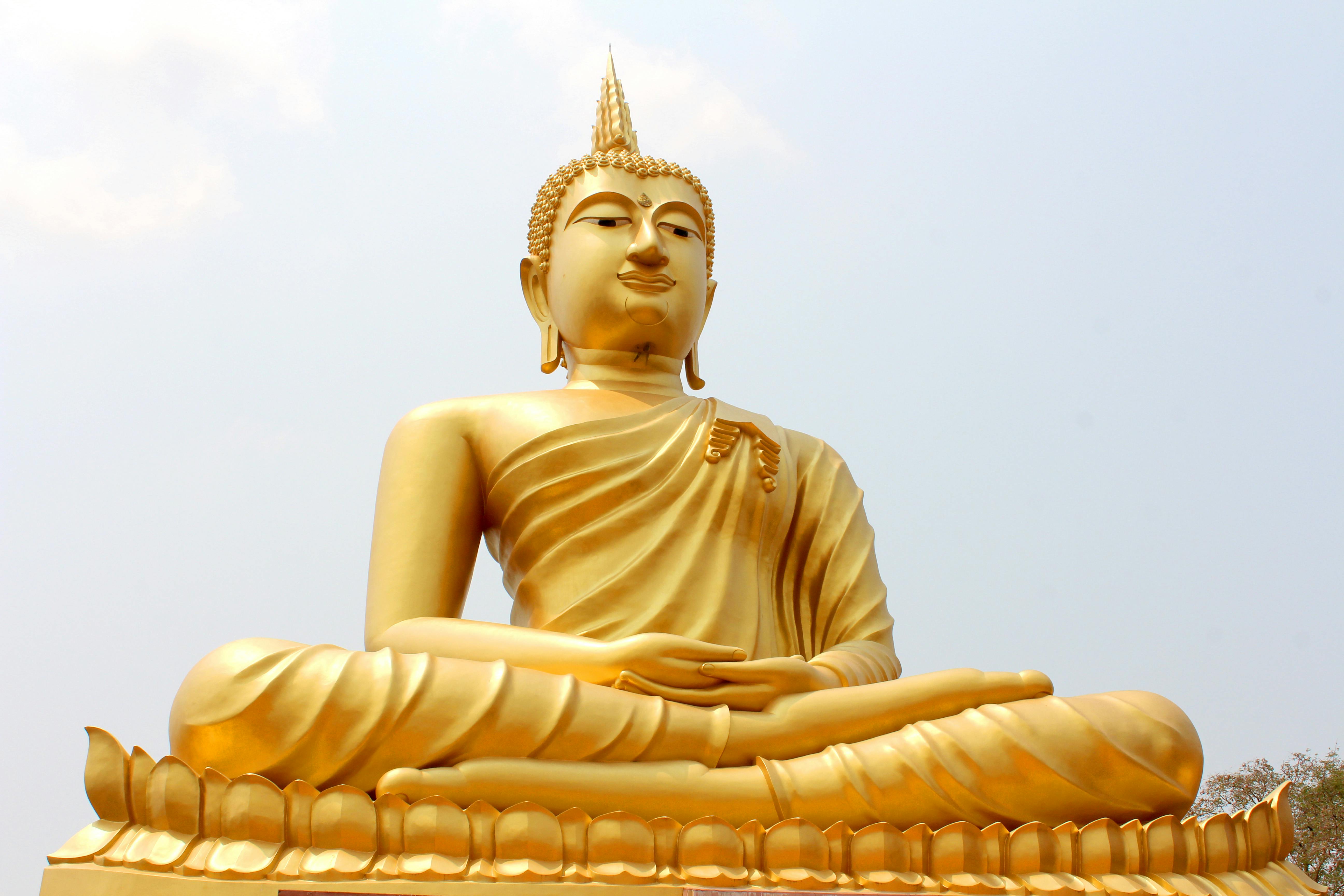
Buddhist Festivals in India: Celebrating Faith, Culture, and Heritage
India, the birthplace of Buddhism, is home to countless traditions, rituals, and celebrations that honor the teachings of Lord Buddha. Buddhist Festivals in India are not only spiritual occasions but also vibrant cultural events that attract pilgrims, scholars, and tourists from across the world. These festivals blend devotion, art, music, and community spirit, offering a unique glimpse into India’s Buddhist heritage.This article explores the major Buddhist festivals celebrated in India, their historical significance, cultural impact, and practical travel tips for those who wish to experience them.
Significance of Buddhist Festivals in India
Spiritual Value: Festivals commemorate key events in Buddha’s life—his birth, enlightenment, and teachings.
Cultural Heritage: They preserve ancient rituals, art forms, and traditions.
Community Bonding: Festivals bring together monks, devotees, and travelers.
Tourism Appeal: They attract global visitors, boosting religious and cultural tourism.
Major Buddhist Festivals in India
Buddha Purnima (Vesak)
When: Celebrated on the full moon day in April/May.
Where: Bodh Gaya, Sarnath, Kushinagar, and other Buddhist sites.
Significance: Marks the birth, enlightenment, and Mahaparinirvana of Lord Buddha.
Highlights: Prayers, meditation, sermons, processions, and lighting of lamps.
Hemis Festival (Ladakh)
When: June/July, at Hemis Monastery.
Significance: Celebrates the birth of Guru Padmasambhava, who spread Buddhism in Tibet.
Highlights: Masked dances (Cham), traditional music, and vibrant cultural performances.
Losar (Tibetan New Year)
When: February/March, depending on the lunar calendar.
Where: Ladakh, Himachal Pradesh, and Sikkim.
Significance: Marks the Tibetan New Year and renewal of spiritual energy.
Highlights: Rituals, offerings, dances, and community feasts.
Ullambana (Ancestor Festival)
When: August/September.
Significance: Honors ancestors and departed souls.
Highlights: Offerings to monks, prayers, and rituals for peace of departed spirits.
Kathina Ceremony
When: October/November, after the monsoon retreat.
Where: Monasteries across India.
Significance: Devotees offer robes and essentials to monks.
Highlights: Community gatherings, merit-making, and rituals of generosity.
Regional Buddhist Festivals
Tawang Festival (Arunachal Pradesh)
Celebrated at Tawang Monastery.
Features masked dances, cultural performances, and rituals.
Chökhor Festival (Spiti Valley, Himachal Pradesh)
Celebrates the first teaching of Buddha.
Includes processions, prayers, and traditional dances.
Saga Dawa (Sikkim)
Commemorates Buddha’s birth, enlightenment, and death.
Devotees engage in prayers, offerings, and community service.
Cultural Impact of Buddhist Festivals
Preservation of Traditions: Ancient rituals and dances are kept alive.
Art & Music: Festivals showcase Buddhist chants, instruments, and folk performances.
Community Spirit: Strengthens bonds among devotees and locals.
Tourism Growth: Attracts international visitors, boosting local economies.
Buddhist Festivals and Tourism
Pilgrimage Tourism: Bodh Gaya, Sarnath, and Kushinagar are major hubs.
Cultural Tourism: Ladakh, Sikkim, and Arunachal Pradesh attract travelers for unique festivals.
Eco-Tourism: Many festivals emphasize harmony with nature.
Global Appeal: International Buddhist conclaves promote India’s Buddhist heritage.
Challenges in Celebrating Buddhist Festivals
Overcrowding at major sites.
Need for better infrastructure and sanitation.
Balancing commercialization with spiritual sanctity.
Environmental concerns during large gatherings.
Sustainable Practices in Buddhist Festivals
Eco-friendly decorations and rituals.
Waste management during festivals.
Promotion of local crafts and traditions.
Awareness campaigns for responsible tourism.
Practical Tips for Travelers
Best Time to Visit: October to March for pleasant weather; check festival calendars.
Packing Essentials: Comfortable clothing, meditation mats, and warm clothes for Himalayan regions.
Local Etiquette: Respect silence in monasteries, dress modestly, and follow rituals.
Engagement: Participate in meditation sessions, cultural performances, and community service.
Booking: Reserve accommodations early during major festivals.
Future of Buddhist Festivals in India
Global Recognition: UNESCO heritage sites and international pilgrim circuits.
Digital Integration: Virtual tours, apps, and live-streamed rituals.
Luxury Pilgrimage: Boutique stays and curated spiritual experiences.
Academic Tourism: Growth of Buddhist studies and cultural research.
Conclusion
Buddhist Festivals in India are not just religious events—they are celebrations of peace, compassion, and cultural heritage. From Buddha Purnima in Bodh Gaya to the vibrant Hemis Festival in Ladakh, each occasion offers a unique blend of spirituality and tradition.
For travelers seeking spiritual enrichment, cultural immersion, or simply a deeper connection with India’s heritage, Buddhist festivals provide unforgettable experiences that resonate with the timeless teachings of Lord Buddha. 2026-1-29 13:07 Popular Buddhist Destinations in India: A Journey Through Spiritual Heritage SAS Airlines Hamburg Office +1-888-738-0817 WestJet Airlines YTH Terminal +1-888-738-0817 British Airways MAN Terminal +1-888-738-0817 British Airways MAN Terminal +1-888-738-0817 Bay Avenue Dental Centre, Orthodontist, Pediatric Dentist, D Best Schools in Nagpur Best Schools in Mumbai Best Schools in Indore Prestige Avon 3 to 5 BHK Plan NETFLIX CUSTOMER HELPCARE NUMBER AUSTRALIA +61-180-086-8603: 24X7 SERVICE Yoga Teacher Training in Rishikesh Mumbai Dating Service