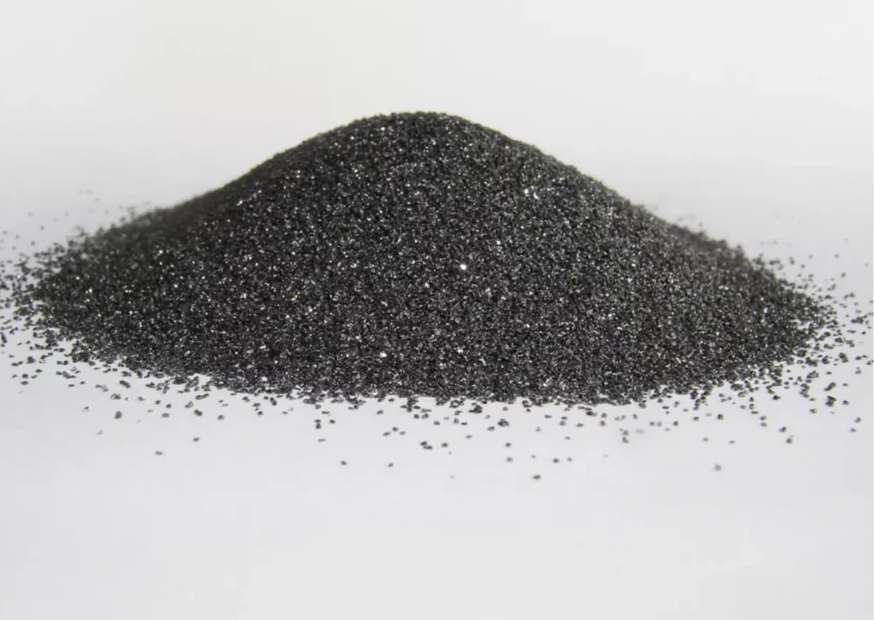
Black Silicon Carbide: The Ultimate Abrasive for Tough Jobs
Black Silicon Carbide: The Ultimate Abrasive for Tough JobsWhen you need to cut, grind, or finish incredibly hard or brittle materials, standard abrasives often fall short. You need a compound built for extreme hardness and sharp cutting power. Enter black silicon carbide. This synthetic material delivers unmatched performance for some of the most demanding industrial manufacturing and finishing tasks.
If you work with stone, glass, ceramics, or non-ferrous metals, you understand the need for a reliable, aggressive abrasive. Black silicon carbide provides exactly that. Its unique physical properties make it a staple in workshops, factories, and construction sites around the globe.
In this comprehensive guide, we will explore exactly why this material dominates the abrasive market. We will cover its exceptional capabilities in heavy-duty grinding, precision cutting, and advanced surface treatment. You will also learn how proper quality control ensures consistent performance for your most critical projects.
What Makes Black Silicon Carbide So Powerful?
Black silicon carbide is a synthetic mineral produced by fusing silica sand and petroleum coke in an electrical resistance furnace at extremely high temperatures. This intense process creates a crystalline structure that is incredibly hard and brittle. On the Mohs scale of mineral hardness, it ranks at approximately 9.15, placing it just below diamonds and boron carbide.
This extreme hardness is the primary reason it cuts through tough materials so efficiently. However, its brittleness is equally important. When the grains endure heavy pressure, they fracture. This fracturing action continuously exposes fresh, sharp cutting edges. We call this a "self-sharpening" characteristic, and it ensures the abrasive keeps working efficiently until it completely breaks down.
Beyond its physical cutting power, the material boasts excellent thermal conductivity and low thermal expansion. It resists high temperatures without warping or losing its structural integrity. It also resists chemical corrosion, making it suitable for wet grinding and chemical-heavy processing environments. These combined traits make black silicon carbide the ultimate abrasive for tough jobs.
Heavy-Duty Grinding Applications
Grinding requires an abrasive that can remove material quickly without generating excessive heat that might damage the workpiece. Black silicon carbide excels in this area, particularly when paired with specific types of materials. Its sharp grains aggressively bite into the surface, shaving away material with high efficiency.
Tackling Non-Ferrous Metals
Manufacturers rarely use silicon carbide for grinding steel, as the high heat causes a chemical reaction that rapidly wears down the abrasive. Instead, black silicon carbide shines when grinding non-ferrous metals. It easily grinds aluminum, brass, copper, and magnesium.
The sharp grains prevent the softer metals from melting and clogging the grinding wheel. This keeps the grinding face open and cutting smoothly. Foundries heavily rely on these grinding wheels to remove gates, risers, and flashing from non-ferrous castings quickly and cleanly.
Shaping Stone, Marble, and Concrete
The construction and monument industries depend on black silicon carbide for shaping and finishing stone. Grinding wheels and rubbing bricks made from this material can rapidly level concrete floors and smooth rough masonry edges.
Granite and marble fabricators use these abrasives to shape countertops and architectural elements. The aggressive cutting action handles the natural hardness of the stone without glazing over. Whether used in handheld angle grinders or massive floor grinding machines, it delivers a consistent, flat finish.
Precision Cutting for Industrial Materials
Cutting hard, brittle materials requires a delicate balance. You need enough cutting force to penetrate the material, but not so much pressure that you shatter the workpiece. Black silicon carbide provides the perfect solution for precision cutting tasks across multiple high-tech industries.
Slicing Wafers and Semiconductors
The electronics industry requires flawlessly cut silicon wafers to manufacture microchips and solar panels. Black silicon carbide powder is a critical component in the wire sawing process used to slice these ingots.
During this process, a thin wire carries a slurry containing the abrasive powder across the silicon block. The sharp, microscopic grains do the actual cutting, slicing the ingot into wafer-thin sections with minimal kerf loss. The high purity and consistent particle size of the abrasive ensure smooth cuts without inducing microscopic cracks in the fragile silicon.
Cutting Glass and Advanced Ceramics
Glass and industrial ceramics are notoriously difficult to cut due to their extreme brittleness. Abrasive cutting discs embedded with black silicon carbide offer a fast, clean solution.
These cutting wheels slice through glass tubing, ceramic tiles, and refractory bricks with ease. The self-sharpening nature of the grains prevents the wheel from loading up with dust, which would otherwise increase friction and cause the workpiece to crack from thermal shock. It provides a clean, smooth edge that requires minimal secondary finishing.
Superior Surface Treatment and Finishing
Beyond aggressive material removal, industries utilize black silicon carbide for refining surfaces. Surface treatment encompasses cleaning, texturing, and polishing materials to meet specific functional or aesthetic requirements.
Abrasive Sandblasting
Sandblasting with black silicon carbide is highly effective for cleaning and texturing tough surfaces. Operators use it to strip heavy rust, mill scale, and old coatings from metal structures before repainting.
Its aggressive nature also makes it ideal for etching glass and carving stone monuments. Because the grains are so hard, they can be collected and recycled multiple times in closed-loop blasting cabinets. This high reusability factor makes it a highly cost-effective blasting media for high-volume surface preparation facilities.
Precision Lapping and Polishing
When manufacturers need to achieve incredibly tight dimensional tolerances and mirror-like finishes, they turn to lapping. Fine grits of black silicon carbide are mixed with oil or water to create a lapping slurry.
This slurry is applied between a lapping plate and the workpiece. The microscopic abrasive grains gently roll and slide, removing minute amounts of material. This process is essential for finishing optical lenses, hydraulic valve seals, and precision aerospace components. It creates a perfectly flat, smooth surface that guarantees high performance in critical mechanical systems.
Quality Production You Can Trust
The effectiveness of your grinding, cutting, or surface treatment process relies entirely on the quality of your abrasive. Inconsistent grain sizes or impure materials will lead to unpredictable results, damaged workpieces, and increased production costs.
Becens Co., Ltd. has spent over a decade perfecting the manufacturing of advanced abrasives and refractories. Our proven quality comes from our ability to maintain strict control throughout the entire production process. We operate under a rigorous quality control system according to ISO-9001:2008 standards.
When you choose our black silicon carbide, you receive a product manufactured to exacting specifications. We supply our materials under various international standards, including FEPA, JIS, GB, and ANSI. This ensures that whether you are manufacturing grinding wheels or performing precision lapping, you get the exact grit size and purity your application demands.
We face our customers with reliable quality, favorable pricing, fast delivery, and considerate service. You can learn more about our commitment to excellence by visiting our homepage.
Elevate Your Abrasive Processes Today
Black silicon carbide remains an indispensable tool for modern manufacturing and finishing. Its exceptional hardness, sharp cutting edges, and self-sharpening properties allow it to conquer materials that destroy lesser abrasives.
From heavy-duty grinding of non-ferrous metals to the delicate slicing of semiconductor wafers, it delivers consistent, powerful results. By understanding its unique properties, you can optimize your production lines, reduce material waste, and achieve superior finishes on your toughest projects.
Ready to upgrade your abrasive operations with high-quality materials? Explore our complete range of industrial abrasives and find the perfect fit for your application by visiting our product page. 2026-3-30 18:17 How to pick up your copy of FTM 2024? Exploring the Impact of Technology on the Ride-Hailing Business Best Travel Agency in Dubai for Tours & Experiences Best Travel Agency in Dubai for Tours & Experiences confidence and elegance with trans escorts lifestyle Best School in Ernakulam Gulf Air Office in Nairobi, Kenya: Reliable Travel Support for Every Journey simple understanding of a single intimate accessory How to Book the Cheapest Rent a Car in Fujairah Without Hidden Charges Is Purple Carats Legit? Verified Reviews and Wedding Jewelry Details Temp Gmail: Protect Your Inbox from Unwanted Emails volvo repair near me A Trusted Animal Hospital in Kitchener for Dogs & Cats