subject: Is Laser Tattoo Removal a Safe Cosmetic Procedure? [print this page]
Tattoos are a popular form of self-expression, allowing people to showcase personal memories, creativity, and individual style. However, preferences can change over time, and some individuals may decide that their existing tattoos no longer represent their personality or lifestyle. Modern aesthetic technology offers different options for addressing unwanted tattoos and improving the appearance of the skin. Laser Tattoo Removal in Dubai is one of the commonly chosen cosmetic procedures for people who want to reduce or remove unwanted tattoo pigments without undergoing surgery. The treatment uses advanced laser technology to target ink particles beneath the skin while minimizing damage to surrounding tissue. Although laser tattoo removal is generally considered safe when performed by qualified professionals using appropriate equipment, understanding its procedure, possible side effects, and safety precautions is essential before making a decision.
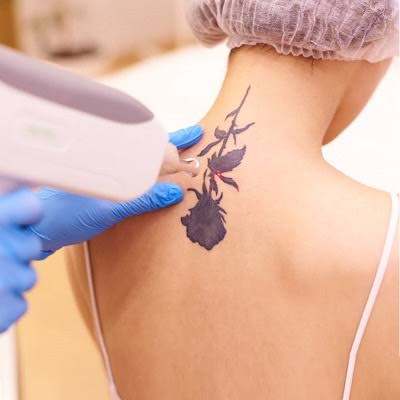
Laser tattoo removal is a non-surgical cosmetic procedure that uses concentrated light energy to break down tattoo pigments located within the skin. When a tattoo is created, ink is deposited into the dermis, which is the deeper layer of the skin. Because these pigments remain trapped beneath the surface, ordinary skincare products and cleansing methods cannot effectively remove them. Laser technology provides a targeted approach by delivering controlled pulses of light into the tattooed area. The energy is absorbed by the ink particles, causing them to break into smaller fragments. The body's natural immune system gradually processes and eliminates these fragments over time. This process allows tattoos to fade gradually across multiple treatment sessions.
Is Laser Tattoo Removal Generally Safe?
Laser tattoo removal is generally considered a safe cosmetic procedure when performed by a trained practitioner who understands laser technology, skin characteristics, and appropriate treatment settings. Modern laser systems are designed to target specific tattoo pigments while limiting unnecessary exposure to surrounding skin. However, like other cosmetic procedures, tattoo removal is not completely risk-free. Temporary redness, swelling, tenderness, blistering, and changes in skin pigmentation may occur after treatment. In some cases, scarring or infection can develop, particularly when aftercare instructions are not followed or treatment is performed incorrectly. The level of risk depends on factors such as skin type, tattoo location, ink color, medical history, and the equipment being used. A professional consultation helps identify potential risks and determine whether the procedure is appropriate.
How Does Laser Technology Remove Tattoo Ink?
Laser tattoo removal works by delivering short pulses of concentrated light energy into the tattooed skin. Different ink colors absorb different wavelengths, so practitioners select suitable laser settings according to the pigments being treated. When the laser energy reaches the ink, it breaks larger pigment particles into smaller fragments. The body's immune system then gradually removes these fragments through natural processes. This explains why tattoo removal does not happen immediately after a single appointment. Several sessions are usually necessary, with sufficient recovery time between treatments. The gradual approach allows the skin to heal while the body continues processing the fragmented pigment. Professional assessment is important because using an unsuitable wavelength or excessive energy may increase the risk of skin damage.
What Factors Affect the Safety of Laser Tattoo Removal?
Several factors influence the safety and effectiveness of laser tattoo removal. Skin tone is particularly important because different skin types respond differently to laser energy. Individuals with darker skin tones may have a higher risk of pigmentation changes if unsuitable settings are used. The tattoo's size, location, age, and ink composition also influence treatment planning. Tattoos containing multiple colors may require different laser wavelengths, while densely packed pigments can need additional sessions. Existing skin conditions, previous scarring, allergies, and certain medications should also be discussed before treatment. A qualified practitioner considers these factors when selecting appropriate equipment and treatment settings. An individualized approach helps reduce avoidable complications and supports a more controlled treatment experience.
What Are the Possible Side Effects?
After laser tattoo removal, some temporary skin reactions are common. Redness, mild swelling, tenderness, and warmth around the treated area may develop shortly after a session. These reactions generally improve as the skin begins to recover. Small blisters or scabs may also appear during the healing process. Although these effects can be part of the normal response, patients should avoid picking or scratching the treated area. Less common complications include infection, scarring, persistent pigmentation changes, and lightening or darkening of the surrounding skin. Some individuals may experience allergic reactions if tattoo pigments contain substances that trigger sensitivity. Anyone experiencing severe pain, spreading redness, increasing swelling, pus, or fever should seek medical advice promptly. Understanding possible side effects allows patients to recognize normal healing and identify symptoms that require professional attention.
Can Laser Tattoo Removal Damage Your Skin?
When performed correctly, laser tattoo removal is designed to target ink pigments while preserving as much surrounding skin tissue as possible. Nevertheless, improper laser settings, unsuitable equipment, or inexperienced treatment can increase the possibility of burns, scars, and pigmentation problems. Excessive energy may cause unnecessary heating of the skin, while inadequate assessment can lead to inappropriate treatment choices. Following recommended session intervals is equally important because the skin requires time to recover between appointments. Patients should avoid rushing the removal process or requesting repeated treatments before the recommended healing period. Choosing a qualified practitioner and following professional guidance can help minimize the risk of unwanted skin damage.
Is Laser Tattoo Removal Suitable for All Skin Types?
Laser tattoo removal can be considered for many different skin types, but not everyone requires the same treatment approach. Skin tone, natural pigmentation, sensitivity, and previous reactions to cosmetic procedures are important considerations. Individuals with darker skin may require specific laser wavelengths and carefully adjusted settings to reduce the risk of changes in natural pigmentation. Those with sensitive skin may also need additional precautions and closer monitoring. A practitioner should assess the skin before beginning treatment and explain any potential limitations. In certain situations, treatment may need to be postponed until an existing skin problem has resolved. A personalized consultation helps determine the safest approach for each individual.
Why Is Choosing a Qualified Practitioner Important?
The experience and knowledge of the practitioner play an important role in laser tattoo removal safety. Operating laser equipment requires an understanding of different wavelengths, energy levels, ink characteristics, and skin responses. An experienced professional can assess the tattoo, identify possible contraindications, and select appropriate treatment settings. Patients should look for a reputable clinic that follows hygiene standards, uses suitable laser equipment, and provides clear information about potential risks. Protective eyewear should be used during the procedure to prevent accidental laser exposure. The practitioner should also explain expected results, possible side effects, and aftercare requirements before treatment begins. Selecting professional care helps reduce avoidable complications and supports a more informed treatment experience.
What Should You Do Before Laser Tattoo Removal?
Preparing properly before treatment can help improve safety and make the experience more manageable. Patients should discuss their medical history, medications, allergies, previous skin reactions, and any existing skin conditions during the consultation. The treatment area should be protected from excessive sun exposure because recently tanned or sunburned skin may have an increased risk of complications. Patients should also follow instructions regarding skincare products and shaving the treatment area if necessary. It is important to avoid attempting to lighten or remove the tattoo with home remedies before the appointment. The practitioner may recommend a patch test in certain situations to assess how the skin responds to the laser before treating a larger area.
How Can You Care for Your Skin After Treatment?
Aftercare is an important part of maintaining skin health following laser tattoo removal. The treated area should be kept clean and protected according to the practitioner's instructions. Recommended ointments or dressings should be used when advised, and patients should avoid scratching, rubbing, or picking at blisters and scabs. Direct sunlight should be avoided during the initial healing period, and appropriate sun protection should be used once the skin has recovered. Swimming pools, hot tubs, excessive heat, and activities that irritate the treated area may need to be avoided temporarily. Patients should also attend follow-up appointments and allow sufficient time between sessions. Good aftercare supports the healing process and helps reduce the possibility of complications.
How Many Sessions Are Needed for Safe Results?
The number of sessions required depends on the tattoo's size, color, depth, ink density, and location. Some tattoos fade noticeably after a few appointments, while others require a longer treatment course. Black and dark blue pigments often respond more effectively to commonly used laser wavelengths, whereas certain lighter colors may be more challenging to remove. Treatments are generally spaced several weeks apart to allow the skin to heal and the immune system to process fragmented ink. Attempting to remove a tattoo too quickly can increase the risk of irritation and other complications. Patients should understand that complete removal cannot always be guaranteed and that some residual pigment or faint discoloration may remain.
Who Should Avoid or Delay Laser Tattoo Removal?
Although many people may be suitable candidates, certain medical and skin-related circumstances require additional consideration. Individuals with active skin infections, open wounds, or significant irritation in the treatment area may need to postpone the procedure. People with a history of abnormal scarring, certain immune-related conditions, or previous allergic reactions to tattoo pigments should discuss these issues with a qualified healthcare professional. Some medications can increase sensitivity to light or affect healing, so patients should provide a complete medication history. Pregnant individuals are generally advised to postpone elective laser tattoo removal because treatment is non-essential and safety data during pregnancy are limited. A professional medical assessment helps identify situations where treatment should be delayed or avoided.
Conclusion
Laser tattoo removal is generally considered a safe and effective cosmetic option for reducing unwanted tattoo pigments when performed by qualified professionals using appropriate laser technology. The procedure works by breaking down ink particles, allowing the body's natural immune system to gradually eliminate them over multiple sessions. However, safety depends on several factors, including skin type, tattoo characteristics, practitioner experience, equipment quality, and proper aftercare. Temporary redness and swelling are common, while complications such as scarring, infection, and pigmentation changes are possible in certain circumstances. Individuals considering treatment should arrange a professional consultation, discuss their medical history, and develop realistic expectations about the results. Glamorous Clinic Dubai can be considered by individuals exploring professional aesthetic treatment options and seeking guidance about improving their skin appearance. With proper assessment, careful treatment planning, and appropriate aftercare, laser tattoo removal can help individuals work toward clearer-looking skin while prioritizing their skin health and safety.