subject: CNC Tool Buying Guide: 8 Tips for Smart Tool Selection [print this page]
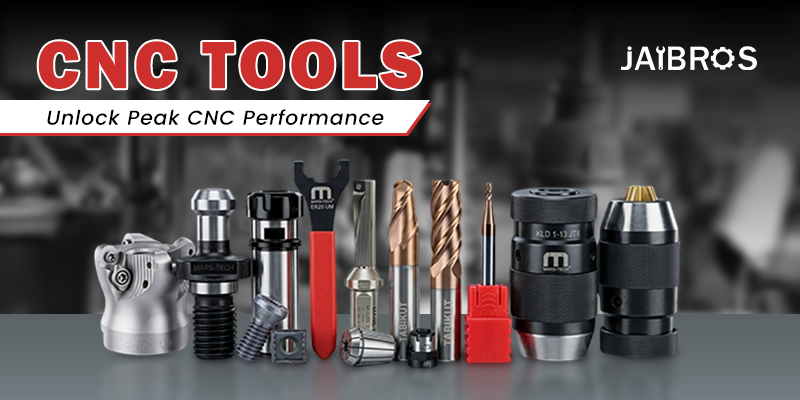
Learn 8 important factors to consider before buying CNC cutting tools, including material compatibility, tool geometry, coatings, accuracy, and tool life. CNC Tool Buying Guide: 8 Things to Check Before Investing in Cutting Tools Buying the right cnc tool is an important decision for any manufacturing business. The quality of cutting tools directly affects machining accuracy, production speed, surface finish, and overall operating costs. However, with so many tool types, materials, coatings, and specifications available, choosing the right option can be confusing. Before investing in new cutting equipment, it is important to understand your machining requirements and evaluate a few essential factors. 8 Important Things to Check Before Buying Cutting Tools 1. Understand the Workpiece Material The first thing to consider is the material you will be machining. Different materials require different cutting tool properties. For example, aluminium is relatively soft and generally requires sharp cutting edges to prevent material sticking. Stainless steel produces more heat during machining and needs tools with suitable heat resistance and wear protection. Hardened steel requires harder cutting materials that can maintain their cutting edges under demanding conditions. Before purchasing, identify whether your application involves mild steel, stainless steel, cast iron, aluminium, or other alloys. This helps narrow down the suitable tooling options. 2. Select the Right Tool Material Tool material has a direct impact on durability, cutting performance, and machining speed. Common options include: High-Speed Steel (HSS): Suitable for general-purpose machining, lower cutting speeds, and applications requiring toughness. Carbide: Offers high hardness, wear resistance, and better performance at higher cutting speeds. Ceramic: Commonly used for high-speed machining of specific hard materials. CBN: Suitable for machining hardened ferrous materials. For example, carbide drills are commonly used when accurate holes and higher machining speeds are required. Your production volume and material hardness should guide the final selection. 3. Check Tool Geometry and Dimensions Tool geometry includes cutting-edge angles, flute design, diameter, length, and nose radius. These specifications influence chip formation, cutting forces, vibration, and surface finish. An incorrectly sized tool may cause dimensional errors, poor surface quality, or unnecessary machine load. Always check the tool diameter, shank size, cutting length, flute count, and holder compatibility before ordering. A suitable cutting geometry also helps improve stability during machining operations. 4. Consider the Required Machining Operation Not every cutting tool is designed for the same operation. Your choice should depend on what the machine needs to perform. For example: Milling operations require suitable milling cutters and inserts. Turning operations use turning inserts and compatible tool holders. Drilling operations require drills designed for the required hole diameter and depth. Internal machining may require a suitable boring tool for accurate hole finishing. A carbide insert collection includes different insert categories for turning, milling, threading, grooving, and drilling applications. Understanding the operation before purchasing prevents unnecessary spending on unsuitable tools. 5. Evaluate Coating and Wear Resistance Tool coatings help improve performance under specific machining conditions. They can reduce friction, improve heat resistance, and protect cutting edges against wear. Common coatings include TiN, TiAlN, and AlTiN. Each has different properties and applications. For instance, TiAlN coatings are often selected for applications involving higher temperatures, while TiN is commonly used for general-purpose cutting applications. However, coating alone does not determine performance. The base material, cutting conditions, workpiece material, and coolant requirements must also be considered. 6. Check Compatibility with Your Machine Even a high-quality cutting tool may not perform properly if it is incompatible with your machine setup. Check the spindle type, tool holder, clamping system, maximum RPM, and available coolant arrangement. Also verify whether the selected cnc tool supports the machine's operating requirements. A proper fit reduces vibration, improves machining stability, and prevents unnecessary tool or machine damage. 7. Compare Tool Life and Overall Cost Price should not be the only factor when selecting cutting tools. A cheaper option may require frequent replacement, increase downtime, and affect production quality. Instead, calculate the overall cost by considering: Initial purchase price.