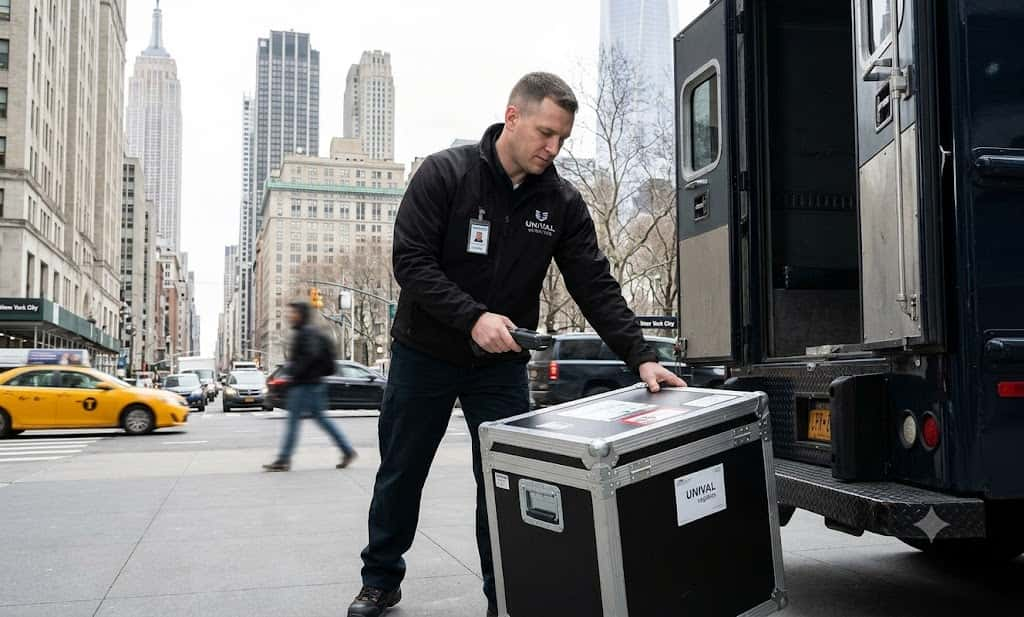
subject: The Ultimate Guide to High Value Shipping in New York [print this page]
Summary: High value shipping in New York involves assessing the shipment's value and risks, selecting appropriate packaging, choosing a suitable carrier, documenting the goods, and confirming insurance coverage. Businesses can improve shipping security by maintaining accurate records, planning delivery access, monitoring shipment progress, and verifying receipt. A coordinated logistics process helps protect valuable merchandise and supports more reliable deliveries.
Overview
High-value shipping is the process of transporting goods whose financial worth, sensitivity, or replacement cost requires additional planning and protection. Common examples include fine jewelry, luxury watches, precious metals, fine art, collectible items, professional electronics, and specialized commercial equipment.
In New York, shipping valuable goods can involve additional coordination because of busy streets, restricted loading areas, secured commercial buildings, residential delivery requirements, and time-sensitive business operations. A suitable shipping plan should account for the item's characteristics, its destination, the delivery deadline, and the financial consequences of damage, loss, or theft.
UNIVAL Logistics helps businesses evaluate the practical requirements of high-value transportation, including packaging considerations, shipment documentation, delivery coordination, and insurance questions. Understanding these factors before booking can help shippers make informed decisions and establish realistic expectations for the entire delivery process.
Key Takeaways
- Assess shipment value: Identify the goods, establish their value, and determine the potential risks during transit. - Use appropriate packaging: Select protective materials and tamper-evident packaging where suitable for the item and service. - Verify insurance coverage: Review coverage limits, exclusions, deductibles, and claim requirements before shipping. - Choose a suitable carrier: Consider security procedures, handling experience, tracking capabilities, and delivery requirements. - Maintain clear documentation: Keep invoices, photographs, packing records, tracking details, and proof of delivery. - Plan the final delivery: Confirm access restrictions, recipient availability, and any signature or identity-verification requirements.
Quick Answer
high value shipping new York involves assessing the goods, selecting secure packaging and suitable transportation, confirming adequate insurance, tracking the shipment, and verifying delivery to the authorized recipient.
How High Value Shipping in New York Works
1. Assessing the Goods and Their Value
The first step is to determine what is being shipped and how much financial risk is involved. The shipper should record the item's description, quantity, weight, dimensions, condition, and documented value.
Different products require different handling procedures. A luxury watch may need a compact protective package and discreet exterior labeling, while a large artwork or specialized electronic device may require custom packaging and additional handling arrangements.
Supporting documents are particularly important for expensive merchandise. Purchase invoices, valuation reports, inventory records, and photographs can help establish ownership, condition, and value if a shipment is lost or damaged.
For businesses shipping multiple items, each shipment should have a clear inventory record that corresponds with its shipping documentation.
2. Selecting Secure Packaging
Packaging protects goods from impact, vibration, moisture, pressure, and other hazards encountered during transportation. It can also help prevent unauthorized access when used with appropriate tamper-evident materials.
The packaging method should reflect the item's size, fragility, and value. Electronics may require cushioning and protection against static electricity where relevant. Jewelry and watches need secure internal packaging that prevents movement, while fine art may require protective wrapping and custom crating.
Businesses should avoid assuming that expensive goods automatically need oversized packages. The objective is to provide sufficient protection without introducing unnecessary movement or pressure inside the parcel.
Discreet outer packaging can reduce unnecessary attention, but it should never replace suitable internal protection, insurance, or secure handling procedures.
3. Choosing the Right Shipping Service
The most suitable shipping service depends on the item's value, delivery deadline, physical characteristics, destination, and security requirements.
Standard parcel services may be appropriate for some properly packaged goods, provided the carrier accepts the item and offers suitable service terms. Higher-risk shipments may warrant dedicated transportation, specialist handling, restricted-access arrangements, or additional delivery controls.
Before booking, confirm the carrier's rules for valuable goods, prohibited or restricted items, declared values, packaging, and insurance. Ask whether the service includes tracking, delivery confirmation, signature requirements, and any additional security options.
Businesses should also check whether a shipment will pass through multiple facilities or transfer between carriers. Each additional handling stage should be considered when evaluating potential risks.
4. Arranging Shipping Insurance
Shipping insurance can help protect a business against covered financial losses if valuable goods are damaged, lost, or stolen during an insured journey. However, not every shipping service includes comprehensive insurance, and standard carrier liability may be limited.
Before dispatch, confirm the insured value, covered events, policy exclusions, deductible, geographical scope, and requirements for packaging and documentation.
A declared value is not necessarily equivalent to an insurance policy. Depending on the carrier's terms, it may instead establish a limit on liability or determine the amount available under a particular shipping service.
For expensive shipments, businesses should request written confirmation of the applicable coverage and retain all supporting documentation.
5. Tracking and Delivery Verification
Shipment tracking helps businesses monitor progress and identify potential delays. For valuable goods, tracking should be combined with appropriate delivery controls rather than treated as a complete security solution.
Depending on the service, these controls may include a recipient signature, identity verification, restricted release instructions, or delivery only to an authorized person.
New York delivery planning also requires attention to building access, loading zones, recipient availability, and secure handover procedures. For commercial addresses, confirm whether the building requires advance scheduling or specific delivery documentation.
Once the package arrives, the recipient should inspect it promptly. Any visible damage, missing contents, or signs of tampering should be documented and reported in accordance with the carrier's and insurer's procedures.
High Value Shipping Insurance in New York
Insurance is a central consideration when transporting expensive merchandise because even a single loss can affect cash flow, inventory availability, and customer relationships.
Businesses should determine whether their existing commercial insurance includes goods in transit or whether a separate shipping policy is necessary. Coverage may differ according to the item, the route, the carrier, the packaging, and the point at which responsibility transfers between parties.
What Does High-Value Shipping Insurance Cover?
Depending on the policy, coverage may include certain forms of accidental physical damage, theft, or loss during transit. Some specialist policies may also address loading, unloading, temporary storage, or other stages of transportation.
However, exclusions and conditions vary. Inadequate packaging, unexplained shortages, unattended deliveries, improper declarations, and particular types of deterioration may affect a claim.
Before shipping, verify that the policy covers the actual goods being transported and that the insured value is appropriate. Keep invoices, photographs, inventory records, and shipping receipts readily available.
How to Choose the Right Insurance Coverage
Start by identifying the financial loss your business could sustain if the goods never arrive or are damaged beyond repair. Then compare available coverage against the declared or insured value, policy limits, deductible, and exclusions.
For recurring shipments, businesses may want to investigate annual goods-in-transit or commercial shipping policies instead of arranging individual coverage each time. Whether this approach is suitable depends on shipping frequency, inventory value, and the insurer's terms.
UNIVAL Logistics encourages shippers to confirm the insurance arrangements before collection, especially when transporting luxury merchandise, collectibles, jewelry, or other high-value inventory.
How Much Does High Value Shipping in New York Cost?
High-value shipping costs depend on the package's dimensions, weight, declared value, destination, delivery speed, security requirements, and insurance arrangements. The following amounts are illustrative budgeting estimates in US dollars, not verified quotes from UNIVAL Logistics.
- Standard tracked parcel shipping: $20–$75. Potentially suitable for compact, properly packaged goods when the carrier accepts the item and the required service is available. - Expedited or priority delivery: $40–$150+. Faster delivery options may cost more depending on the service, distance, package characteristics, and booking time. - Specialist handling or secure transportation: $100–$500+. Dedicated collection, additional security arrangements, or specialist handling may increase the total cost. - Protective packaging: $15–$150+. Costs vary according to the materials, package dimensions, cushioning requirements, and whether custom packaging is needed. - Custom crating for oversized or fragile goods: $200–$1,500+. Complex, heavy, or unusually shaped items may require more expensive packaging and professional preparation. - Shipping insurance: individually quoted. Premiums depend on the insured value, item category, route, covered risks, deductible, and policy terms.
These categories can overlap or be bundled into a single service price. They should not automatically be added together, and specialist high-value services may fall outside these ranges.
Important Disclaimer
The cost prices provided above are baseline estimates for budgeting purposes and are subject to market fluctuations, supplier changes, and variable logistics fees. Actual costs may differ based on shipment value, packaging, service level, insurance terms, and delivery requirements. For the latest and most accurate prices, please contact UNIVAL Logistics for professional guidance and a shipment-specific quotation.
Common Challenges in High Value Shipping
Preventing Theft and Unauthorized Access
Valuable goods can be attractive targets, making secure handling and controlled delivery important considerations. Businesses should use appropriate packaging, limit access to shipment information where practical, and select services with security measures suited to the goods.
Tamper-evident packaging can help reveal possible interference, but it cannot guarantee that theft will not occur. Shippers should also consider recipient verification, documented handovers, and appropriate insurance.
Reducing Damage During Transit
Improper packaging, excessive movement, impact, and unsuitable handling can cause costly damage. Packaging should be tested or selected according to the goods' characteristics, while carriers should receive clear instructions about any special requirements.
Fragile items may need additional cushioning, fitted supports, or rigid outer protection. Electronics and precision equipment may require extra measures to address static electricity, vibration, or environmental exposure.
Managing Delays and Delivery Restrictions
New York's busy streets, building access requirements, and limited loading areas can complicate collection and delivery. Missed appointments or unavailable recipients may result in additional charges or redelivery delays.
Businesses can reduce these problems by confirming access instructions, arranging delivery appointments when necessary, and ensuring that authorized recipients are available.
Maintaining Accurate Records
Incomplete records can make it difficult to locate a shipment, resolve a delivery dispute, or support an insurance claim. Businesses should maintain consistent inventory descriptions, valuation documents, package identifiers, and proof of handover.
A clear recordkeeping process is particularly useful for retailers and distributors that ship expensive merchandise frequently.
How to Choose a High Value Shipping Provider in New York
Choosing a shipping provider involves more than comparing delivery prices. Businesses should evaluate whether the provider accepts their specific goods, offers suitable security measures, provides reliable tracking, and can meet the required delivery schedule.
Ask about the carrier's experience with similar shipments, packaging requirements, liability limits, insurance options, claims procedures, and proof-of-delivery arrangements. Request a written quote that distinguishes included services from optional charges.
It is also important to understand what happens when a delivery fails, a package is damaged, or the recipient cannot be verified. Clear procedures reduce uncertainty and help businesses respond appropriately when an unexpected issue arises.
UNIVAL Logistics can help businesses assess their high-value shipping requirements and identify the practical considerations that should be addressed before booking.
Best Practices for Businesses Shipping Valuable Goods
Businesses can establish a repeatable shipping procedure to improve consistency and reduce avoidable errors. Each shipment should be assessed individually, but a standard process can help employees follow the same documentation and verification steps.
Before dispatch, confirm the item's value, packaging, carrier acceptance, insurance arrangements, recipient details, and delivery instructions. Retain photographs of the goods and their packaging, along with invoices and shipping documentation.
During transit, monitor tracking updates and investigate unusual delays. At delivery, verify receipt, retain proof of delivery, and document any apparent damage or irregularities.
For recurring shipments, periodically review shipping costs, claim history, delivery performance, and insurance limits. These reviews help businesses determine whether their existing arrangements remain suitable as their inventory and operational requirements change.
Why Choose UNIVAL Logistics?
UNIVAL Logistics helps businesses understand the requirements involved in transporting valuable goods and planning appropriate logistics arrangements.
A well-prepared shipping plan should address the nature and value of the merchandise, protective packaging, transportation requirements, delivery coordination, and applicable insurance. Businesses should also have clear documentation and procedures for resolving delivery issues.
When requesting a quote, prepare the package dimensions, weight, item description, declared value, pickup and delivery details, preferred delivery date, and any special security requirements. Providing accurate information helps establish the shipment's needs and supports a more relevant service assessment.
By focusing on planning, documentation, and appropriate risk management, businesses can make more informed decisions about high value shipping in New York and build a more reliable process for handling valuable inventory.
Frequently Asked Questions
1. What is high value shipping in New York?
High value shipping involves transporting goods that require additional care because of their financial worth, fragility, or sensitivity. Common examples include jewelry, luxury watches, fine art, collectibles, precious metals, and professional electronics.
2. How much does high value shipping in New York cost?
Costs vary according to package size, weight, delivery speed, packaging, security requirements, and insurance. A basic tracked parcel may cost tens of dollars, while specialist transportation and custom crating can cost hundreds or more. Request a shipment-specific quote for an accurate estimate.
3. Is shipping insurance necessary for expensive goods?
Insurance is worth considering when the financial consequences of loss or damage would be significant. Review the policy's limits, exclusions, deductibles, and claim requirements before shipping, and do not assume that standard carrier liability provides full protection.
4. How can I ship jewelry or luxury watches securely?
Use suitable protective packaging, maintain accurate valuation records, select a carrier that accepts the items, and confirm appropriate insurance and delivery controls. For particularly valuable merchandise, ask about secure handover procedures and recipient verification.
5. Does tracking guarantee the security of a valuable shipment?
No. Tracking provides visibility into shipment progress, but it does not prevent theft, damage, or unauthorized access. It should be combined with appropriate packaging, delivery controls, documentation, and insurance.
6. What documents are required for high value shipping?
Depending on the shipment, useful documents include purchase invoices, valuation records, item descriptions, photographs, shipping labels, insurance documents, and proof of delivery. International shipments may also require customs declarations and other regulatory documentation.
7. Can I use standard parcel shipping for valuable items?
Sometimes. The carrier must accept the item, and the service must meet its packaging, value-declaration, liability, and insurance requirements. If standard parcel shipping does not offer sufficient protection, consider a suitable specialist service.
8. How can businesses reduce the risk of shipping valuable products?
Businesses can use appropriate packaging, verify recipient information, retain shipment records, select suitable carriers, confirm insurance, and monitor deliveries. A consistent shipping procedure can reduce avoidable errors and improve accountability.
9. What should I do if a high-value package arrives damaged?
Photograph the outer packaging and damaged goods, retain all packing materials, notify the carrier and insurer promptly, and follow their claim procedures. Keep invoices, valuation records, and delivery documentation, and observe all applicable reporting deadlines.
10. How can UNIVAL Logistics help with high value shipping?
UNIVAL Logistics can help businesses evaluate their shipping requirements and understand the considerations involved in packaging, transportation, insurance, and delivery planning. Contact UNIVAL Logistics to discuss your shipment's specifications and request appropriate professional guidance.