subject: Can You Get Dental Implants After Tooth Extraction? What to Know [print this page]
Introduction
Losing a tooth because of decay, gum disease, infection, or injury can affect your smile, chewing ability, and oral health. Fortunately, dental implants offer a reliable way to replace missing teeth and restore their function. One common question patients ask is: Can you get dental implants immediately after tooth extraction, or do you need to wait for the area to heal?
The answer depends on your jawbone condition, gum health, the presence of infection, and the stability of the implant at the time of placement. Some patients can receive an implant on the same day as extraction, while others benefit from waiting several weeks or months.
If you are considering a Dental Implant in Islamabad, understanding the timing, procedure, and recovery process can help you prepare for treatment and make an informed decision.
Can You Get Dental Implants After Tooth Extraction?
Yes, dental implants can be placed after tooth extraction. In suitable cases, the implant may be inserted immediately after the tooth is removed. In other situations, the dentist may recommend allowing the extraction site to heal before implant placement.
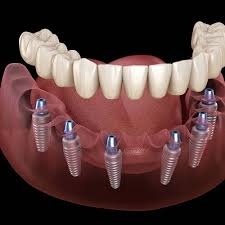
A dental implant is typically a small titanium post that acts as an artificial tooth root. After it integrates with the jawbone, a crown, bridge, or implant-supported denture can be attached to replace the missing tooth or teeth.
The most appropriate treatment schedule depends on an individual dental assessment.
Three Common Timelines for Dental Implant Placement
Dentists generally consider three approaches when planning implants after extraction.
1. Immediate implant placement
The implant is placed during the same appointment as the tooth extraction.
This option may be suitable when:
The extraction site has enough healthy bone to support the implant.
The surrounding gum tissue is in good condition.
The implant can achieve sufficient initial stability.
Any infection can be appropriately managed.
The patient's medical and dental history supports the procedure.
Immediate placement can reduce the number of surgical appointments, but it is not suitable for every patient. Placement of the implant on the same day does not necessarily mean the permanent crown will also be fitted that day.
2. Early implant placement
The implant is placed after the soft tissues have begun healing, often after approximately four to eight weeks, depending on the clinical situation.
A dentist may recommend this approach when the gums need time to recover or when local inflammation must settle before surgery.
3. Delayed implant placement
The dentist waits until the extraction site has healed more fully, commonly for several months. This may be appropriate when substantial infection, bone damage, or other healing concerns are present.
The exact timeline varies according to the condition of the extraction site, the need for bone grafting, and the overall treatment plan.
What Determines the Right Time for Dental Implants?
Not every extraction site is ready for immediate implant placement. A qualified dentist evaluates several important factors before recommending a procedure.
1. Jawbone Quality and Quantity
Dental implants need adequate bone support to remain stable. When a tooth is extracted, the surrounding jawbone may gradually shrink because it no longer receives stimulation from the natural tooth root.
If the bone is too thin or insufficient, bone grafting may be recommended before or during implant treatment, depending on the case.
2. Gum Health and Infection
Healthy gum tissue supports healing around the implant. Active infection, untreated gum disease, or significant inflammation may affect the treatment timeline.
An infection does not automatically mean an implant is impossible. However, the dentist must determine whether the infection can be controlled and whether immediate placement is clinically appropriate.
3. Overall Health
Certain medical conditions and lifestyle factors can affect healing. These include uncontrolled diabetes, smoking, some medications, and conditions that affect bone metabolism or immune function.
Patients should disclose their medical history and medications before treatment. A dentist may coordinate with the patient's physician when necessary.
4. Location of the Missing Tooth
The position of the missing tooth also matters. Front teeth often require careful planning to achieve natural-looking gum contours and an attractive smile. Back teeth must withstand substantial chewing forces.
The dentist considers both functional requirements and appearance when choosing the timing and type of restoration.
What Happens During Dental Implant Treatment After Extraction?
Understanding the treatment process can help reduce anxiety and make the experience more predictable.
Step 1: Dental Examination
The dentist examines your teeth, gums, and extraction site. Dental X-rays or three-dimensional imaging, when indicated, help assess bone volume, nearby nerves, and other anatomical structures.
Step 2: Tooth Extraction
If the tooth has not already been removed, the dentist extracts it using an appropriate technique. A careful extraction can help preserve the surrounding bone and gum tissue.
Step 3: Implant Placement or Healing
Depending on your condition, the dentist either places the implant immediately or allows the area to heal first.
If bone grafting is required, it may be performed at the same appointment or as a separate procedure.
Step 4: Healing and Bone Integration
After placement, the implant needs time to integrate with the surrounding bone through a process called osseointegration. This commonly takes several months, although the duration depends on the patient and treatment site.
During this period, your dentist may recommend a temporary tooth replacement when appropriate.
Step 5: Final Crown Placement
Once the implant is sufficiently stable and healing has progressed, the dentist attaches the final crown or other restoration. The replacement tooth is designed to fit your bite and complement your smile.
Benefits of Getting Dental Implants After Tooth Extraction
Replacing a missing tooth can provide several functional and aesthetic benefits.
Restores chewing function: An appropriately restored implant can help you eat more comfortably.
Improves appearance: A custom-made crown can be designed to blend with neighbouring teeth.
Helps maintain jawbone stimulation: Implants transfer functional forces to the jawbone, helping reduce the bone loss associated with missing teeth.
Supports neighbouring teeth: Unlike a conventional tooth-supported bridge, a single implant generally does not require adjacent healthy teeth to be prepared as supports.
Provides long-term tooth replacement: Implants can last many years with good oral hygiene and regular professional care.
Although these benefits are significant, dental implants involve surgery and are not guaranteed to succeed in every case.
Are There Risks to Getting an Implant Immediately?
Immediate implant placement can be effective for appropriately selected patients, but it has limitations and risks.
Potential complications include:
Infection or delayed healing.
Failure of the implant to integrate with the jawbone.
Gum recession or changes in gum appearance.
Insufficient bone support or the need for additional grafting.
Discomfort, swelling, or bleeding after surgery.
Immediate placement should not be chosen solely to save time. Your dentist must determine whether the extraction site provides the conditions needed for predictable treatment.
How to Care for Your Mouth After Extraction and Implant Placement
Following your dentist's instructions is essential for healing and reducing complications.
Follow the prescribed medication and aftercare plan.
Avoid smoking during healing, as smoking can increase the risk of implant complications.
Eat soft foods for the period recommended by your dentist.
Maintain oral hygiene carefully without disturbing the surgical site.
Avoid strenuous activity for the period advised after surgery.
Attend scheduled follow-up appointments.
Contact your dental professional if you develop worsening pain, increasing swelling, persistent bleeding, fever, or discharge from the surgical area. Seek urgent care for severe swelling that affects breathing or swallowing.
Dental Implant in Islamabad: Treatment at The Dentist Master
If you are considering a Dental Implant in Islamabad, The Dentist Master can be included among the clinics to contact for information about tooth replacement options. Arrange a consultation to discuss whether immediate, early, or delayed implant placement may suit your needs.
During the consultation, ask about the dentist's qualifications, available implant systems, imaging requirements, expected treatment duration, total cost, and possible additional procedures such as bone grafting. A personalised assessment can help establish whether your extraction site is ready for an implant or requires further healing.
The most appropriate treatment plan should be based on clinical findings, your oral health, and your expectations rather than a fixed timeline. Confirm the clinic's current services and the treating dentist's credentials before proceeding.
Conclusion
Yes, you can get dental implants after tooth extraction, and in some cases, the implant can be placed during the same appointment. However, immediate placement is not suitable for everyone. Bone quality, gum health, infection, medical history, and implant stability all influence the timing.
Some patients benefit from early placement after initial gum healing, while others need several months for the extraction site to recover. A dental examination and appropriate imaging can help determine the safest and most predictable approach.
If you are exploring a Dental Implant in Islamabad, consult a qualified dental professional to discuss your options, expected healing time, and personalised treatment plan.
Frequently Asked Questions
1. Can I get an implant on the same day as extraction?
Yes, if the bone, gums, and extraction site are suitable for immediate placement.
2. How long should I wait after extraction?
Some patients can receive an implant immediately, while others may need several weeks or months.
3. Is dental implant surgery painful?
Local anaesthesia helps control pain during surgery. Some swelling and soreness may occur afterward.
4. Can I get an implant if I have an infection?
Possibly, but the dentist must assess and manage the infection before deciding on implant placement.
5. How long does an implant take to heal?
Bone integration commonly takes several months, depending on the patient's health, implant location, and treatment complexity.