subject: Are Synthetic Surfaces Revolutionizing Commercial Tennis Courts [print this page]
Commercial sports facilities, schools, and municipal parks are under constant pressure to optimize facility usage while keeping operating costs under control. Traditional court materials like natural grass or hard concrete require extensive maintenance, regular repainting, and frequent closures for repairs. These maintenance routines result in lost revenue, scheduling conflicts, and disappointed players. Converting commercial courts to synthetic turf provides a durable, low-maintenance solution that keeps facilities open and operating efficiently.
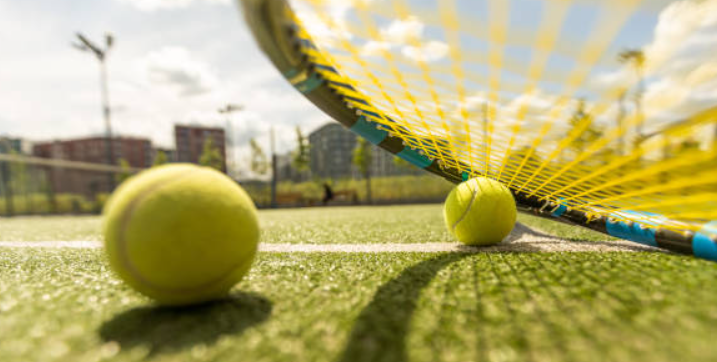
Upgrading commercial tennis courts with specialized synthetic turf allows facility managers to offer consistent, high-quality playing conditions regardless of season or weather. Synthetic surfaces withstand thousands of hours of intense play without showing signs of wear, surface rutting, or fiber shedding. The resilient nature of synthetic grass makes it an ideal choice for high-traffic commercial environments that demand maximum uptime.
The financial burden of maintaining traditional commercial courts can strain operating budgets significantly. Gas-powered equipment, professional landscaping labor, chemical fertilizers, and routine line painting represent recurring costs that never end. Furthermore, intense water usage during warm months leads to exorbitant municipal utility bills.
Synthetic turf drastically reduces these ongoing expenses by eliminating the need for irrigation, mowing, and line repainting. White court lines are permanently tufted or inlaid directly into the turf surface during installation, ensuring they remain crisp and visible for years without fading. The massive savings achieved on water bills and routine labor allow facility managers to recoup their initial investment rapidly.
Advanced Fiber Technology and Surface Consistency
Modern sports turf is engineered using advanced polymer formulations that replicate the feel and bounce of natural surfaces. The fibers retain their structural memory, standing upright even after prolonged physical stress. Specialized infill systems provide consistent ballast, stabilizing the turf backing while offering tailored cushion and traction for athletic movements.
This uniform surface consistency enhances player performance, allowing for predictable ball rebounds and controlled sliding without surface tearing. Unlike natural grass, which develops bare patches and uneven soil levels under heavy use, synthetic turf maintains a perfectly level playing field from corner to corner.
Eco-Friendly Advantages and Community Health Benefits
Environmental sustainability is an increasingly important factor for commercial sports facilities and municipal planners. Traditional grass courts rely heavily on synthetic pesticides, weed killers, and chemical fertilizers that can contaminate local groundwater reserves. Synthetic turf requires zero chemical intervention, creating a non-toxic environment that is safe for players, spectators, and local ecosystems.
Additionally, eliminating gas-powered mowing equipment reduces carbon emissions and noise pollution around recreational centers. The conservation of millions of liters of water across commercial facilities supports regional water sustainability efforts. Choosing synthetic sports turf represents a forward-thinking decision that combines commercial profitability with environmental stewardship.
Conclusion
Transitioning commercial sports facilities to synthetic turf offers unmatched operational efficiency, lasting durability, and significant cost savings. Facilities enjoy higher player satisfaction, minimal downtime, and zero chemical maintenance burdens. Investing in commercial-grade synthetic turf is the ultimate strategic move for modernizing athletic infrastructure effectively.