subject: The Devastating Effect Of Ice Dams On Exterior Siding [print this page]
Winter weather introduces highly specific mechanical stresses to residential structures, completely altering how a building sheds precipitation. Homeowners generally understand the basic concept of an ice dam—a thick ridge of solid ice that forms along the lower edge of the house, trapping melting snow behind it. The typical reaction is to worry exclusively about the water backing up under the shingles and staining the interior ceiling drywall. While that internal damage is certainly expensive, it represents only a fraction of the total structural destruction caused by this phenomenon. The immense physical weight and expanding force of an ice dam initiate a catastrophic chain reaction that systematically destroys the exterior fascia boards, the metal drainage channels, and the vertical siding covering the walls below.
The physical formation of an ice dam creates an immediate, massive load-bearing crisis for the lower perimeter of the building. A solid block of ice spanning the length of a gutter system can easily weigh several hundred kilograms. The wooden fascia board, which is the flat vertical board that the metal gutter is directly attached to, was never engineered to support this extreme dead weight. As the heavy ice continues to accumulate, it physically pulls the gutter downward, ripping the metal mounting brackets straight out of the timber. The heavy fasteners tear large, ragged holes through the wood, leaving the fascia board permanently splintered and entirely exposed to ongoing moisture.
Once the physical connection between the gutter and the house is broken, the trapped water finds a completely new, highly destructive pathway. Instead of overflowing onto the ground, the liquid water melting behind the ice dam frequently travels backwards, curling under the wooden overhang and running directly down the interior cavity of the exterior wall. This silent, hidden waterfall completely saturates the structural oriented strand board that forms the skeleton of the house. Because this water is trapped securely behind the vinyl or timber exterior siding, it receives absolutely no sunlight or airflow. The trapped moisture remains completely stagnant, initiating a rapid, highly aggressive cycle of deep timber rot that consumes the load-bearing studs supporting the entire wall.
The financial data regarding this specific type of hidden water damage is staggering. A property owner might spend a few hundred dollars patching a minor ceiling stain, completely unaware that an entire section of their exterior structural framing is actively decaying behind the siding. Replacing rotted wall studs and saturated structural sheathing requires tearing the house apart from the outside in, an incredibly invasive construction process that frequently costs tens of thousands of dollars. Preventing this massive financial loss requires addressing the root cause of the ice dam before the winter season even begins.
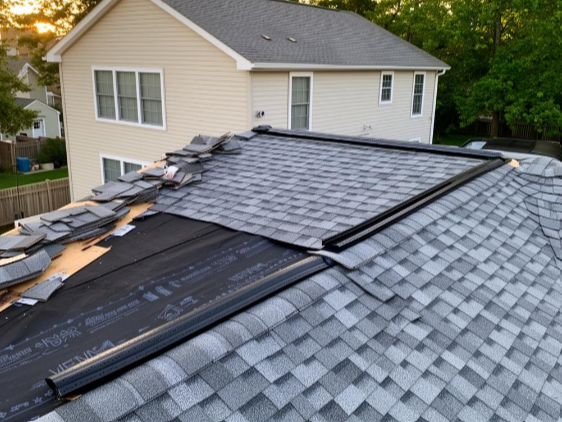
Stopping this highly destructive mechanical chain reaction demands specific, preemptive architectural interventions. Contacting a knowledgeable Roofing Contractor based in Brick Township, NJ is the most effective way to secure the perimeter of the building. Professionals address this threat by installing a thick, rubberized ice and water shield directly onto the bare wooden decking along the entire lower edge of the structure. This heavy-duty synthetic membrane chemically seals itself around every single nail penetration. If an ice dam does form and forces water backwards, this impenetrable rubber barrier completely blocks the liquid from reaching the fascia board or slipping into the wall cavity.
Beyond applying the physical membrane, engineers must resolve the underlying thermal imbalance that causes the snow to melt unevenly in the first place. This requires calculating and implementing proper airflow through the dark attic space, ensuring the upper surface remains uniformly freezing cold from the peak down to the edge. By treating the physical house as an interconnected thermal and mechanical system, property owners entirely eliminate the conditions that create heavy ice accumulation. Securing the lower perimeter with advanced synthetic barriers guarantees that the heavy exterior siding and structural wall framing remain completely dry and fully intact throughout the harshest winter seasons.
Conclusion
Heavy ice dams physically tear metal drainage channels away from the home and force trapped water directly into the hidden exterior wall cavities. This hidden moisture completely saturates structural sheathing, causing severe, highly expensive timber rot behind the siding. Applying commercial-grade rubberized membranes and balancing internal thermal temperatures permanently protects the entire wall system from this catastrophic winter damage.
Call to Action
Prevent hidden structural rot and protect your exterior siding by scheduling a professional winterization and thermal barrier assessment today.