subject: Credit Balance Services [print this page]
In today’s complex healthcare billing environment, managing credit balance Services is a critical yet often overlooked part of Revenue Cycle Management (RCM). Credit balances occur when a patient or insurance payer overpays for services rendered, resulting in excess funds on an account. If not identified and resolved promptly, these balances can lead to compliance risks, patient dissatisfaction, and revenue leakage.
What Are Credit Balances in Healthcare?
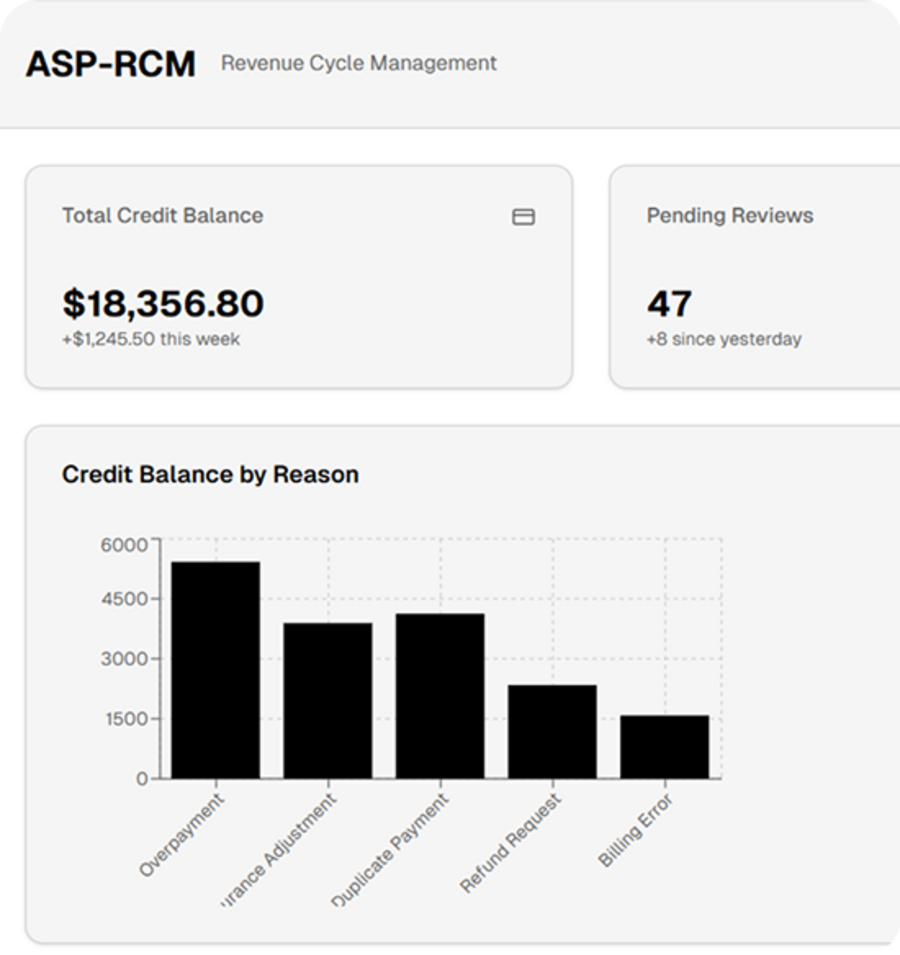
A credit balance represents an overpayment on a patient account caused by factors such as duplicate insurance payments, incorrect payment posting, coordination of benefits errors, or retroactive claim adjustments. Healthcare organizations are required to review and resolve these balances in a timely manner to remain compliant with payer contracts and federal regulations.
Common Causes of Credit Balances
Credit balances can arise for several reasons, including:
Duplicate payments from primary and secondary payers
Incorrect charge or payment posting
Retroactive eligibility or authorization changes
Claim reversals and reprocessed claims
Patient overpayments at the time of service
Without a structured review process, these balances can accumulate quickly and impact financial accuracy.
Importance of Credit Balance Resolution
Unresolved credit balances pose significant risks to healthcare providers. Regulatory bodies closely monitor overpayments, and failure to issue refunds within required timeframes can result in penalties and audits. In addition, unresolved patient credits can harm trust and satisfaction.
Proper credit balance management helps:
Reduce compliance and audit risk
Improve patient experience through timely refunds
Maintain accurate accounts receivable records
Prevent revenue misstatements
Support clean financial reporting
How Professional Credit Balance Services Help
Outsourcing credit balance services to an experienced RCM partner ensures systematic identification and resolution of overpayments. Skilled analysts review account histories, validate payer responsibility, and determine the appropriate corrective action—whether issuing refunds, reallocating payments, or correcting posting errors.
Professional credit balance services typically include:
Credit balance identification and root cause analysis
Insurance and patient overpayment resolution
Refund processing and documentation
Account reconciliation and adjustment posting
Compliance-focused audit support
Cleanup of aged and high-risk credit balances
Benefits of Outsourcing Credit Balance Services
Healthcare providers benefit from outsourcing credit balance services by reducing internal workload and improving turnaround times. External RCM experts bring payer-specific knowledge, compliance awareness, and proven workflows that lead to faster resolution and reduced financial risk.
Key advantages include:
Faster credit balance clearance
Improved regulatory compliance
Reduced operational costs
Increased staff productivity
Enhanced revenue integrity
Choosing the Right Credit Balance Services Partner
When selecting a credit balance services provider, healthcare organizations should look for experience in US healthcare billing, strong compliance processes, and transparent reporting. A reliable partner will work closely with your team to align workflows and deliver measurable results.
Conclusion
Credit balance management is an essential component of a healthy revenue cycle. Proactively identifying and resolving overpayments not only ensures compliance but also strengthens financial stability and patient trust. With expert credit balance services, healthcare providers can eliminate risk, improve accuracy, and focus on delivering quality patient care.
http://www.insurances.net/attachment.php?aid=9239
welcome to Insurances.net (https://www.insurances.net)