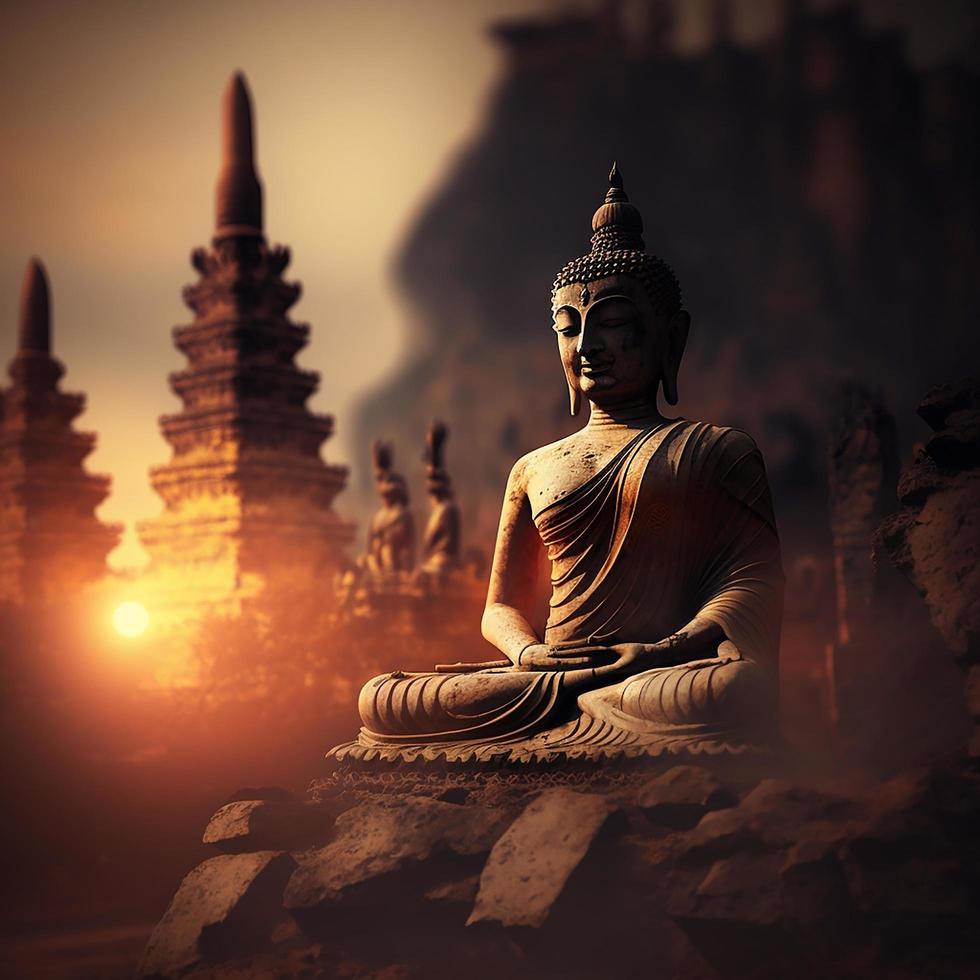
subject: Popular Buddhist Destinations in India: A Journey Through Spiritual Heritage [print this page]
India is the birthplace of Buddhism, a faith that has inspired millions across the world with its teachings of compassion, mindfulness, and liberation. Popular Buddhist Destinations in India attract pilgrims, scholars, and travelers who wish to connect with the life and legacy of Lord Buddha. From Bodh Gaya, where he attained enlightenment, to Kushinagar, where he attained Mahaparinirvana, India’s Buddhist circuit offers a profound spiritual journey. This article explores the most significant Buddhist destinations in India, their historical importance, cultural impact, and practical travel tips for those seeking spiritual enrichment.
Why Visit Buddhist Destinations in India? Spiritual Significance: Sites associated with Buddha’s life and teachings. Cultural Heritage: Ancient monasteries, stupas, and relics. Global Appeal: Pilgrims from across Asia and beyond visit these sacred places. Educational Value: Centers for Buddhist studies and meditation. Tourism Growth: Recognized circuits supported by government and international organizations.
Major Buddhist Destinations in India Bodh Gaya (Bihar) Significance: The place where Siddhartha Gautama attained enlightenment under the Bodhi Tree. Key Attractions: Mahabodhi Temple (UNESCO World Heritage Site), Bodhi Tree, Great Buddha Statue. Experience: Meditation, chanting, and international monasteries representing different Buddhist traditions. Sarnath (Uttar Pradesh) Significance: Site of Buddha’s first sermon after enlightenment. Key Attractions: Dhamek Stupa, Chaukhandi Stupa, Ashokan Pillar, Sarnath Museum. Experience: Spiritual teachings, archaeological wonders, and peaceful gardens. Kushinagar (Uttar Pradesh) Significance: Place where Buddha attained Mahaparinirvana (final liberation). Key Attractions: Mahaparinirvana Temple, Ramabhar Stupa, meditation parks. Experience: Pilgrimage rituals, serene atmosphere, and international monasteries. Rajgir & Nalanda (Bihar) Rajgir: Associated with Buddha’s sermons and meditation retreats. Attractions include Vulture’s Peak and hot springs. Nalanda: Ancient university and center of Buddhist learning. Nalanda ruins are UNESCO-listed. Experience: Historical exploration and academic heritage. Shravasti (Uttar Pradesh) Significance: Buddha spent 24 rainy seasons here, delivering many discourses. Key Attractions: Jetavana Monastery, stupas, and meditation sites. Experience: Spiritual immersion and archaeological remains. Lumbini (Nepal, near Indian border) Though located in Nepal, it is often included in Indian Buddhist circuits. Birthplace of Buddha, with temples and monasteries.
Other Notable Buddhist Destinations Ajanta & Ellora Caves (Maharashtra): Rock-cut caves with Buddhist art and sculptures. Tawang Monastery (Arunachal Pradesh): Largest monastery in India, reflecting Tibetan Buddhist traditions. Hemis Monastery (Ladakh): Famous for Hemis Festival and Himalayan Buddhist culture. Tabo Monastery (Himachal Pradesh): Known as the “Ajanta of the Himalayas.” Sikkim: Rumtek Monastery and other sacred sites.
Cultural Impact of Buddhist Destinations Promote peace, compassion, and mindfulness. Preserve ancient art, architecture, and manuscripts. Attract global pilgrims, fostering cultural exchange. Support local communities through tourism and handicrafts.
Festivals at Buddhist Destinations Buddha Purnima: Celebrated at Bodh Gaya, Sarnath, and Kushinagar. Hemis Festival (Ladakh): Colorful dances and rituals. Losar (Tibetan New Year): Celebrated in monasteries across the Himalayas. International Buddhist Conclaves: Organized to promote Buddhist tourism.
Challenges in Buddhist Tourism Infrastructure gaps at remote sites. Need for better preservation of ancient monuments. Balancing tourism with spiritual sanctity. Environmental concerns at heritage sites.
Sustainable Buddhist Tourism Promote eco-friendly accommodations. Respect local customs and traditions. Support community-based tourism. Encourage preservation of heritage sites.
Practical Tips for Travelers Best Time to Visit: October to March for pleasant weather. Packing Essentials: Comfortable clothing, meditation mats, and travel guides. Local Etiquette: Respect silence in monasteries, dress modestly. Travel Circuits: Government-supported Buddhist Circuit tours cover major destinations. Engagement: Participate in meditation sessions and cultural programs.
Future of Buddhist Tourism in India Global Recognition: UNESCO sites and international pilgrim circuits. Digital Integration: Virtual tours, apps, and online bookings. Luxury Pilgrimage: Boutique stays and curated spiritual experiences. Academic Tourism: Growth of Buddhist studies and research centers.
Conclusion Popular Buddhist Destinations in India are not just places of worship—they are living testaments to the life and teachings of Lord Buddha. From Bodh Gaya’s sacred Bodhi Tree to Nalanda’s ancient ruins, each site offers a journey into history, spirituality, and culture. For travelers seeking peace, knowledge, or spiritual awakening, India’s Buddhist circuit remains one of the most profound journeys in the world.
http://www.insurances.net/attachment.php?aid=9206
welcome to Insurances.net (https://www.insurances.net)