subject: Why Does Knee Pain Affect Balance? [print this page]
Knee pain can affect much more than walking comfort. It may change how a person stands, walks, turns, climbs stairs, or shifts body weight. When pain causes someone to avoid putting pressure on one leg, the body may develop movement patterns that make balance more difficult. Knee problems can also be associated with muscle weakness and changes in joint awareness, which are important for maintaining stability. Research in people with knee osteoarthritis has linked knee pain and weaker quadriceps muscles with poorer dynamic balance.
If ongoing discomfort is affecting your movement or stability, appropriate Knee pain treatment in Islamabad can help identify the underlying cause and guide suitable management. Understanding the connection between knee pain and balance is important because better strength, movement control, and joint function can support safer daily activities.
How Does the Knee Help Maintain Balance?
Balance depends on several systems working together. The brain receives information from the eyes, inner ear, muscles, joints, and skin to understand where the body is positioned. The body then adjusts muscle activity to keep the center of mass within a stable area.
The knee plays an important role in this process because it connects the thigh and lower leg while helping control movements during standing and walking. Small adjustments at the knee allow the body to respond when the surface changes or when weight shifts from one leg to another.
Joint position awareness, known as proprioception, is particularly important. Research suggests that proprioception can help with joint stabilization, movement coordination, and maintaining static posture.
How Can Knee Pain Change Your Movement?
Pain often causes people to protect the affected knee. For example, someone with discomfort may place less weight on the painful leg or bend the knee differently while walking. Although this may temporarily reduce discomfort, repeated changes in movement can affect normal coordination.
A person may begin taking shorter steps, walking more slowly, avoiding stairs, or relying more heavily on the other leg. These adjustments can change how the body distributes weight and may make certain movements feel less stable.
Over time, reduced use of the painful leg can also contribute to muscle weakness. This is especially relevant because the muscles surrounding the knee help control the joint during standing, walking, and changes in direction.
Can Muscle Weakness Affect Balance?
Yes. Strong leg muscles help control the knee and maintain stability when the body moves. The quadriceps, hamstrings, gluteal muscles, and calf muscles all contribute to lower-limb control.
Research involving people with knee osteoarthritis has found an association between greater knee pain, weaker quadriceps strength, and poorer dynamic balance.
When the muscles cannot respond efficiently, activities such as getting up from a chair, stepping over an object, walking on uneven ground, or climbing stairs may become more challenging.
This does not mean that every person with knee pain will develop balance problems. The effect depends on the underlying condition, pain severity, muscle strength, mobility, age, activity level, and other individual factors.
Does Knee Pain Affect Proprioception?
Proprioception is the body's ability to sense the position and movement of a joint without constantly looking at it. It helps you know where your leg is positioned while walking or standing.
Some research indicates that proprioceptive accuracy may be impaired in people with knee osteoarthritis. However, the relationship is complex, and researchers have not established that impaired proprioception alone causes osteoarthritis or its progression.
When joint awareness is reduced, the body may have more difficulty making quick adjustments. This can become noticeable during movements that require precise control, such as turning, stepping sideways, or walking across uneven surfaces.
Why Does Pain Sometimes Make Balance Worse?
Pain can influence balance in several ways. A painful knee may encourage a person to change their posture, reduce movement, or shift weight toward the opposite side. These changes can affect normal body alignment.
Pain may also reduce a person's willingness to move. Less physical activity can contribute to weaker muscles and reduced functional capacity, creating a cycle in which movement becomes increasingly difficult.
Studies have found that people with knee pain may demonstrate greater postural sway and reduced functional ability compared with people without knee pain.
Can Knee Stiffness Contribute to Poor Stability?
Knee stiffness can make it harder to move the joint through its normal range. When the knee does not move comfortably, a person may compensate by changing movements at the hip, ankle, or other leg.
For example, stiffness after sitting for a long time may make the first few steps uncomfortable. A person might initially move cautiously or rely on nearby furniture for support.
Maintaining appropriate joint mobility can therefore be an important part of preserving normal movement. However, exercises should be selected according to the cause and severity of knee symptoms rather than performed without guidance.
Can Exercise Improve Balance With Knee Pain?
Exercise may be useful for improving strength, movement control, and balance in people with certain knee conditions. Appropriate exercises can include strengthening movements, flexibility work, functional exercises, and balance or proprioceptive training.
A recent systematic review and meta-analysis of 22 randomized controlled trials found that proprioceptive exercise improved balance performance and overall clinical outcomes in people with knee osteoarthritis, although the researchers described the evidence as low certainty.
Another systematic review involving randomized controlled trials found that balance training was associated with improvements in some pain and functional measures, including the Timed Up and Go test, although the studies varied considerably in their methods and outcomes.
The most appropriate exercise plan depends on the individual's symptoms, physical ability, diagnosis, and treatment goals.
What Symptoms Should You Watch For?
Balance-related problems may appear gradually. Some people notice that they feel unsteady while walking, particularly when turning or moving over uneven surfaces. Others may find it harder to stand on one leg or climb stairs.
You may also notice:
Difficulty getting up from a chair Increased dependence on handrails Feeling unstable when changing direction Trouble walking on uneven surfaces Weakness around the affected knee Reduced confidence during physical activities Frequent episodes of the knee feeling unstable
Persistent or worsening instability deserves professional assessment, particularly if it follows an injury or is accompanied by significant swelling, severe pain, or difficulty bearing weight.
How Can Knee Pain and Balance Problems Be Managed?
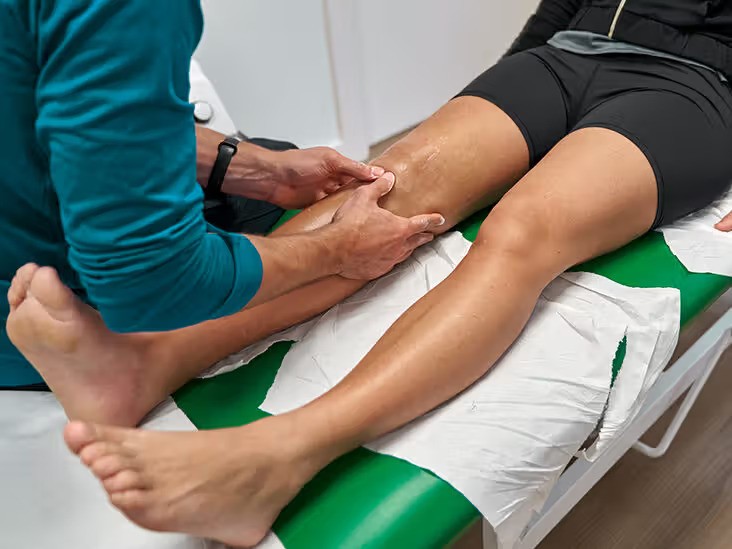
Management depends on the underlying cause. A healthcare professional may assess your pain, range of motion, muscle strength, walking pattern, joint stability, and functional ability.
Treatment may include activity modification, therapeutic exercises, physical therapy, pain management, and other appropriate interventions. Strengthening the muscles around the knee may help improve support, while balance exercises can address movement control when they are suitable for the individual.
A 2026 randomized controlled trial also reported improvements in balance, proprioception, and pain following a targeted exercise program combined with conventional physiotherapy in adults with knee osteoarthritis. The study was relatively small, involving 30 participants, so its findings should be considered alongside the broader evidence.
How Can You Protect Your Balance During Daily Activities?
If knee pain is affecting stability, simple precautions can reduce unnecessary challenges during daily activities. Wear supportive footwear, keep frequently used pathways clear, and use handrails when appropriate on stairs.
Avoid suddenly increasing strenuous activity when your knee is painful. Gradually returning to movement under suitable guidance may be more comfortable than pushing through significant discomfort.
It is also helpful to pay attention to activities that consistently increase symptoms. Sharing these observations with a healthcare professional can make it easier to develop an appropriate treatment and exercise plan.
When Should You Seek Professional Help?
Occasional mild knee discomfort does not necessarily indicate a serious problem. However, professional assessment may be appropriate when pain persists, repeatedly interferes with daily activities, causes instability, or follows an injury.
A healthcare professional can determine whether the problem is related to osteoarthritis, a ligament or meniscus injury, muscle weakness, inflammation, or another condition. Early assessment may also help identify factors contributing to changes in balance.
Conclusion:
Knee pain can affect balance by changing movement patterns, reducing muscle strength, influencing joint awareness, and limiting comfortable activity. The relationship is not identical for everyone, but research shows important connections between knee pain, quadriceps weakness, proprioception, and balance, particularly among people with knee osteoarthritis.
With appropriate assessment and an individualized management plan, many people can work on strength, mobility, movement control, and balance. If you need professional guidance for persistent knee symptoms, JJ medics can be considered as a healthcare resource for discussing your concerns and possible treatment options.