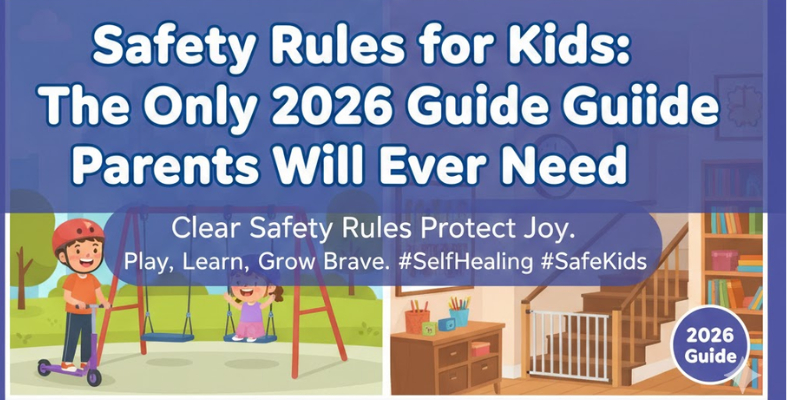
subject: How to Teach Children Safety Rules in Everyday Life [print this page]
Introduction: The Importance of Safety from Day One Remember the first time your child ran toward the street without looking? That heart-stopping moment is a wake-up call for every parent: teaching safety rules is not just important it’s essential. Instilling safe habits early sets the stage for confident, responsible children who understand boundaries and risks. But here’s the thing: teaching safety isn’t about lectures or fear. It’s about using teaching methods that feel natural, engaging, and even fun. Whether you’re guiding a preschooler at home or helping them navigate the playground, there are creative ways to make safety lessons stick while encouraging curiosity and independence.
Start with Home Safety Home is the first environment where children learn boundaries. From kitchen counters to sharp corners, there’s a lot to explore and a lot to protect them from. Use play and learn strategies to teach safety rules: • Turn potential hazards into teaching moments. For instance, demonstrate how to use scissors safely or explain why the stove is hot. • Create simple routines, like always washing hands before meals or wearing shoes inside the house. • Encourage children to participate in safety checks, such as looking for toys on the floor before running. By making safety a natural part of daily life, children learn that rules aren’t restrictions they’re tools for self-healing and staying safe.
Teach Road Safety Rules Early Roads are full of risks, but early exposure to road safety rules can save lives. Start with small, practical steps: • Practice looking both ways before crossing the street. • Use pedestrian crossings and teach the importance of traffic signals. • Make it interactive: role-play with toy cars or mini traffic lights to let them experience the rules safely. Children who learn through action, not just instruction, retain lessons longer. You’re not just teaching rules you’re nurturing awareness and responsibility.
Using Play and Interactive Methods Preschool-age children thrive on games and hands-on experiences. Play and learn isn’t just a buzzword it’s a proven teaching method. • Create safety-themed games like “Red Light, Green Light” to reinforce following rules. • Storytelling works wonders. Tell stories where characters make safe choices, and ask your child what they would do in the same situation. • Use rewards and positive reinforcement to celebrate safe behavior. The key is consistency. When children see safety rules modeled and rewarded, they begin to internalize them naturally.
Encourage Independence, but Guide Them While teaching is important, so is allowing children to explore and make small mistakes safely. Let them experience minor consequences under supervision it builds critical thinking and confidence. For example, a child might spill water while learning to pour from a small pitcher. Instead of scolding, guide them on how to clean it up and try again. This approach reinforces home safety habits and encourages problem-solving.
Conclusion: Building Lifelong Safe Habits Teaching children safety rules is an ongoing journey, not a one-time lesson. By combining teaching methods, playful learning, and real-world examples, you can help children develop a deep understanding of safety. Remember: it’s not just about preventing accidents it’s about empowering children to make smart choices on their own. Start small, be consistent, and let them explore safely. With patience and creativity, you’re not just teaching rules you’re shaping confident, responsible individuals who carry these lessons into the future.
http://www.insurances.net/attachment.php?aid=8504
welcome to Insurances.net (https://www.insurances.net)